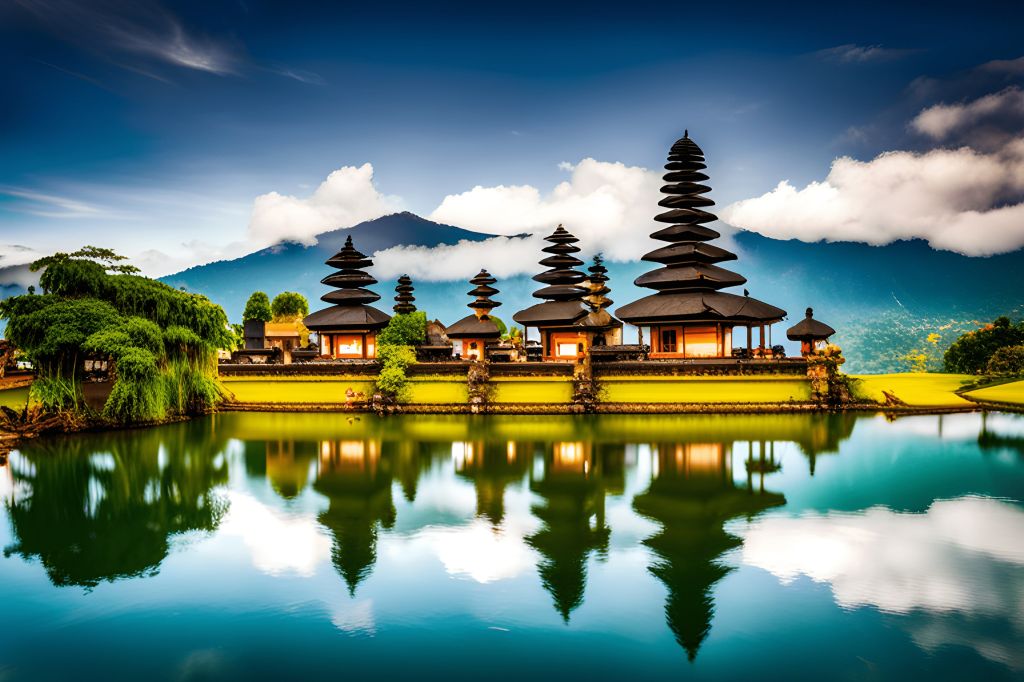
Must-Visit Temples in Bali for First-Time Travelers – Bali isn’t just about those dreamy beach clubs and jungle swings for Instagram. If you skip the temples, you’re missing out on the real soul of the island. Whether you’re into history, culture, or just want to see something truly awe-inspiring, these must-visit temples in Bali for first-time travelers are absolute non-negotiables. Trust me, once you step into these places, you’ll feel the magic that keeps people coming back to Bali over and over again.
Tanah Lot – The One You’ve Definitely Seen on Postcards
If you’ve ever Googled “Bali temples,” chances are, Tanah Lot popped up first. And for good reason. This ocean temple sits on a rock formation that looks straight out of a fantasy movie. When the tide is high, it’s completely surrounded by water, making it look like it’s floating. At low tide, you can actually walk up to the base and get a closer look.
Read also: Hidden Beach Spots in Bali You Must Visit
What makes it special?
It’s not just about the looks—locals believe Tanah Lot protects Bali from evil sea spirits. Plus, it’s one of the best sunset spots on the island. But be warned, it gets packed. If you’re hoping for that picture-perfect, quiet moment, aim to get there early in the morning before the tour buses arrive.
The waves around Tanah Lot can be unpredictable. Don’t try to wade out too far, unless you want to make a grand exit being dragged by a wave.
Uluwatu Temple – Clifftop Views and a Little Monkey Business
Perched 70 meters above the Indian Ocean, Uluwatu Temple is breathtaking—both literally and figuratively. The views here are something else. If you come at sunset, it’s even more magical, especially when the Kecak fire dance starts. This traditional Balinese performance, held every evening, is a must-see. It’s not your usual temple experience; it’s like stepping into a live-action folklore tale.
But here’s the deal: Uluwatu Temple is home to some of the most notorious monkeys in Bali. These little guys are professional thieves. Sunglasses, hats, phones—if it’s loose, it’s theirs now. Keep a firm grip on your belongings, or just leave anything shiny at home.
Best time to visit? Late afternoon. You’ll get to enjoy the golden-hour glow, and if you stay for the Kecak dance, it’s an unforgettable way to end the day.
Besakih Temple – The “Mother” of All Temples
Besakih Temple isn’t just a temple—it’s a whole complex of over 80 temples, sprawled across the slopes of Mount Agung. It’s the most sacred and important temple in Bali, and if you’re only going to visit one traditional temple, this is it.
What to expect: You’ll need to do a bit of walking since the temple is massive. There are long staircases, beautifully carved stone gates, and shrines dedicated to different Hindu deities. The higher you go, the more peaceful it gets. But also, be prepared: since this is a top tourist attraction, there will be local guides and sellers offering sarongs, souvenirs, and tours. Some are genuinely helpful, while others can be a little pushy. Just smile, politely decline, and move on.
Go early in the morning when the mist still lingers around Mount Agung. It makes everything feel extra mystical, and you’ll avoid the heat and crowds.
Tirta Empul – The Temple Where You Can Purify Yourself
Ever wanted to take part in a Balinese spiritual ritual? Tirta Empul is the place to do it. This water temple, famous for its holy spring water, is where locals (and visitors) come for purification ceremonies. The temple dates back to the 10th century and is still very much in use today.
How does it work?
You’ll rent a sarong, head to the purification pools, and step into the cool, fresh water. There are several fountains, and tradition says you should move from left to right, cleansing yourself under each one. However, two of them are meant only for the dead—so make sure to follow the instructions carefully.
What’s it like? Cold but refreshing. It’s a surreal experience to be in the water, surrounded by ancient stone carvings, as incense fills the air. Whether you’re spiritual or not, it’s a powerful moment.
Heads-up: Since this is an active place of worship, dress respectfully. A sarong is mandatory (don’t worry, they’re available at the entrance).
Ulun Danu Beratan – The Floating Temple on the Lake
You’ve probably seen this one in travel ads—Ulun Danu Beratan is the picture-perfect temple that looks like it’s floating on a lake. Nestled in the mountains of Bedugul, this temple is dedicated to the goddess of water, which makes sense considering it sits right on Lake Beratan.
What’s special about it? The setting. With misty hills in the background and the calm waters reflecting the temple, it’s straight-up magical. It’s also much cooler up here compared to the beach areas of Bali, so it’s a great escape from the heat.
Mornings are best for photography since the lake is usually still and creates a perfect reflection. If you’re coming later in the day, be prepared for some light rain—it’s common in the mountains.
Goa Gajah – The Elephant Cave (That Has No Elephants)
Goa Gajah is one of Bali’s quirkiest temples. Despite the name, there are zero elephants here. Instead, you’ll find an ancient cave entrance carved with fierce faces, lush gardens, and old bathing pools. It’s smaller compared to the other temples on this list, but it has a mysterious, Indiana Jones vibe that makes it worth a stop.
What’s inside the cave?
A dark, smoky space with small shrines, flickering oil lamps, and a faint smell of incense. It feels like stepping into another world. The temple complex also has a serene meditation area and jungle pathways that lead to hidden spots.
Something to note: Since this is a sacred site, you’ll need to wear a sarong. And because it’s a bit tucked away in the jungle, bring bug spray unless you want to become a mosquito buffet.
A Few More Temples That Deserve a Spot on Your List
Look, Bali is packed with temples—over 20,000 of them, actually. While the ones I just covered are the absolute must-visits, there are a few more that are worth squeezing into your itinerary if you have the time. Some are off the beaten path, some are straight out of a fairytale, but all of them bring something special to the table.
Lempuyang Temple – The Famous “Gates of Heaven”
If you’ve seen those viral photos of travelers standing between two massive stone gates with a perfectly still reflection below, that’s Lempuyang Temple. And yes, the place is just as breathtaking in real life—but there are a few things you should know before you go.
Expectation vs. Reality: That beautiful reflection in the photos? It’s not a water puddle. It’s actually a photography trick—locals use a small mirror under the camera lens to create that effect. So if you’re expecting to see a naturally reflective lake, hate to break it to you, but it’s not there.
The real reason to visit?
Lempuyang Temple is actually one of Bali’s most sacred sites, part of a whole complex of seven temples scattered along the slopes of Mount Lempuyang. The higher you climb, the fewer tourists you’ll see, and the views get even more incredible. Just be ready—it’s a serious workout.
If you want that iconic “Gates of Heaven” photo, be prepared to wait. The line for pictures can take hours, especially during peak tourist season. If you’re not into waiting, arrive right at sunrise—most people don’t get there that early.
Gunung Kawi – Bali’s Ancient Rock Temple
Tucked away in a lush valley near Ubud, Gunung Kawi is one of Bali’s oldest and most underrated temples. It’s not the easiest to get to—you’ll need to descend (and later climb back up) over 300 stone steps—but once you reach the temple, you’ll feel like you’ve stepped into an ancient civilization.
What makes it special?
Instead of traditional temple structures, Gunung Kawi features massive rock-cut shrines carved directly into the cliffs. These towering stone carvings are over 1,000 years old, believed to be built in honor of an ancient Balinese king and his family. The whole area is surrounded by rice paddies, jungle, and a river, giving it a peaceful, hidden-away feel.
Who should visit?
If you’re into history, architecture, or just love discovering places that feel untouched by time, this one’s for you.
Heads-up: The climb back up is no joke. Bring water, take your time, and maybe don’t visit in the middle of the afternoon unless you enjoy sweating through your clothes.
Saraswati Temple – Ubud’s Most Beautiful Water Temple
If you’re spending time in Ubud (which you absolutely should), make a quick stop at Saraswati Temple. It’s one of the easiest temples to visit—right in the heart of Ubud, no long drives or hikes required.
Why visit?
The temple is dedicated to Saraswati, the goddess of wisdom and arts, and it’s known for its stunning lotus pond that leads up to the entrance. If you’re looking for a spot to take some serene, traditional Bali photos without a ton of effort, this is it.
There’s a café next door (Lotus Café) where you can sip on Balinese coffee while admiring the temple view. It’s a solid way to relax after wandering through Ubud’s bustling streets.
Pura Taman Ayun – The Royal Temple of Mengwi
Not as famous as Tanah Lot or Uluwatu, but Pura Taman Ayun is one of Bali’s most elegant temples. Built in the 1600s, this place was once the royal family’s temple, and you can feel the grandeur as soon as you walk in.
What’s cool about it?
Unlike the cliffside or oceanfront temples, Taman Ayun sits in a beautifully landscaped garden surrounded by a wide moat, giving it a tranquil, almost regal feel. The multi-tiered pagoda-like shrines (called meru) are some of the most photogenic in Bali.
Best time to visit?
Mid-morning, when the sun lights up the temple’s intricate carvings. Since it’s not as crowded as the other big-name temples, you won’t have to battle tour groups for a quiet moment.
How to Make the Most of Your Bali Temple Visits
Now that you’ve got a solid list of temples to check out, let’s talk about a few things that’ll make your visits smoother. These might seem like common sense, but you’d be surprised how many first-time travelers get caught off guard.
- Dress Respectfully (Seriously, Just Do It)
Bali’s temples aren’t just tourist attractions—they’re sacred places of worship. A sarong and a sash around the waist are usually required, and if you’re wearing shorts, you’ll need to cover up. Most temples offer sarongs for rent, but if you plan on visiting multiple, it’s worth bringing your own.
You can buy a sarong for about 50,000 IDR (~$3) at local markets. Keep one in your bag, and you’re good to go for any temple.
- Watch Out for Monkeys (They’re Cute but Shady)
At Uluwatu, Monkey Forest, and even some lesser-known spots, the monkeys will steal your stuff if you’re not careful. I’ve seen people lose sunglasses, phones, and even flip-flops to these furry pickpockets.
What to do?
Keep your belongings zipped up, avoid making direct eye contact (seriously, they take it as a challenge), and never, ever try to grab something back from a monkey.
- Timing Is Everything
Bali’s temples can get insanely crowded, especially the famous ones. If you want to avoid the chaos:
- Sunrise is best for peace and quiet. Most tourists don’t wake up early, so you’ll have places like Tirta Empul or Lempuyang almost to yourself.
- Sunset is amazing, but also peak tourist time. Uluwatu and Tanah Lot are gorgeous at sunset, but they also attract the biggest crowds. Arrive early to grab a good spot.
- Rainy season (November-March) means fewer tourists but unpredictable weather. Some temples, like Ulun Danu Beratan, actually look more mystical with mist and rain. Others, not so much.
- Bring Small Cash for Entrance Fees
Most temples have an entrance fee, and while it’s usually cheap (around 30,000–75,000 IDR, or $2–$5), some places still don’t take cards. Have small bills ready so you don’t have to scramble for change.
Bali’s temples are more than just Instagram backdrops. Each one has its own personality, legends, and energy that make them worth visiting. Whether you’re watching the sunset at Tanah Lot, getting a blessing at Tirta Empul, or climbing the long staircases of Besakih, these temples will give you a deeper appreciation for Bali’s culture and spiritual roots.
So, which one’s first on your list? Or better yet—how many can you fit into your trip? Either way, take your time, be present, and let Bali’s magic do its thing.
 Bali Tour