Category: Travel

  • 2 Day Bali Private Tour With Driver: How to Make the Most Out of a Short Trip

    2 Day Bali Private Tour With Driver: How to Make the Most Out of a Short Trip

    When people ask me about the best way to see Bali if they’ve only got a little time, I always say a 2 day Bali private tour with driver is the smartest move. You won’t waste hours figuring out local transport, you’ll actually get to the places you want to see, and you’ll have a local expert by your side to make the journey smoother. I’ve done both – driving myself with a scooter and hiring a driver – and trust me, the private driver option was way less stressful. Especially if you’re new to Bali, or you’re traveling with family, it makes a world of difference.

    Why Choosing a Private Driver in Bali Makes Sense

    I used to think renting a scooter for cheap and zipping around would be the ultimate Bali experience. And yes, it’s fun for short hops, but when you’re trying to cover Uluwatu, Ubud, and maybe even Mount Batur in just two days, you’ll realize how big Bali really is. The traffic can be insane. What looks like 30 minutes on Google Maps can actually turn into 2 hours depending on the time of day.

    That’s where having a driver comes in. A local driver knows the shortcuts, knows when to avoid certain routes, and honestly, they’ve got patience we tourists just don’t. Most private drivers also double as informal storytellers. On one of my trips, my driver Wayan told me about the meaning behind the offerings you see everywhere on the ground, and why every small road seems to have its own temple. Those little conversations added layers to the trip I would’ve completely missed on my own.

    Another reason a private driver is great: safety. Bali’s roads can be unpredictable. You’ll see dogs crossing the road, trucks overloaded with bamboo, and tourists who clearly don’t know how to ride scooters. Having someone who actually understands the road conditions made me feel way more comfortable.

    And if you’re worried about cost, don’t be. Most private drivers charge per day, not per distance, so you can pack a lot into your two days without getting surprised by crazy fares. For couples or small groups, splitting the cost makes it super affordable.

    What a 2 Day Bali Private Tour With Driver Actually Looks Like

    Let’s break down what you can realistically fit into two days. I’ve done a version of this itinerary myself, and I’ll give you the honest take – what was worth it, what felt rushed, and what I’d skip if I had the chance to do it over again.

    Day 1 – South Bali Highlights

    On the first day, I usually suggest sticking to the south because it’s closer to the airport and avoids wasting too much time traveling. Here’s how it often goes:

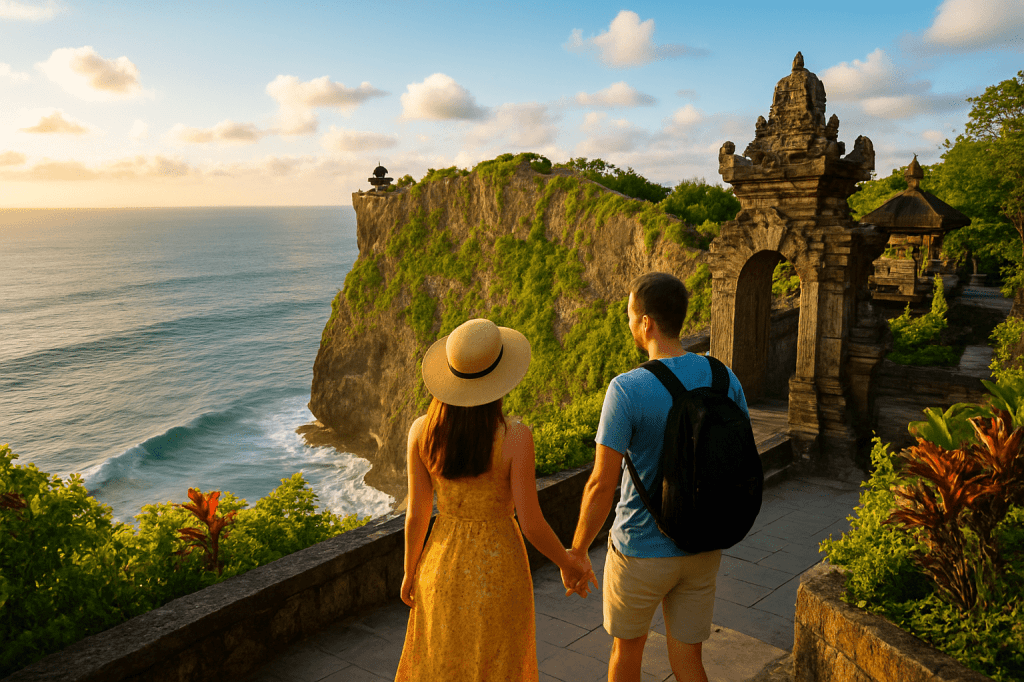
    1. Morning in Uluwatu – Start with Uluwatu Temple. I remember standing at the edge of the cliff there, watching waves crash below, and it really was one of those jaw-drop moments. The driver parked nearby and actually warned me about the monkeys before we went in. If you’ve never been, those monkeys are sneaky. I saw one snatch sunglasses right off a tourist’s head.
    2. Lunch with a View – A lot of drivers know local warungs that aren’t crowded with tourists. One time, my driver took me to this small place in Jimbaran where I had fresh grilled fish for under $5, sitting on plastic chairs with a million-dollar view of the ocean. Not fancy, but perfect.
    3. Beach Hopping – With a driver, you can easily fit in Padang Padang Beach or Dreamland Beach. Without a driver, honestly, just finding parking would eat up a ton of time.
    4. Sunset at Jimbaran or Uluwatu Kecak Dance – You can either head back to Jimbaran for seafood by the beach at sunset or stay at Uluwatu Temple for the famous Kecak fire dance. Both are good, but if you’re tired from the flight the day before, I’d say Jimbaran dinner is the more relaxing option.

    Day 2 – Ubud & Central Bali

    The second day, I always recommend going inland to Ubud and the surrounding areas. It’s a different vibe completely – greener, calmer, and more spiritual.

    1. Tegalalang Rice Terraces – You’ve seen the photos. But seeing it in person is something else. Early morning is best before the tourist buses arrive. My driver actually suggested we stop at a small coffee plantation nearby where I learned how they make Luwak coffee (the one made from civet cats). I didn’t buy any, but the tasting was free and surprisingly fun.
    2. Sacred Monkey Forest – Again, monkeys everywhere. This time though, they’re a bit less aggressive compared to Uluwatu. My driver actually walked with me here, explaining which paths are less crowded. I liked having that extra company because some parts of the forest are quiet, almost eerie.
    3. Lunch in Ubud Center – There are endless cafes in Ubud, but drivers usually know which ones aren’t overpriced. I remember sitting at a café overlooking the jungle, sipping fresh coconut water, and thinking “yeah, this is why people fall in love with Bali.”
    4. Waterfalls or Temples – Depending on how much energy you’ve got left, you can stop at Tegenungan Waterfall or Tirta Empul Temple (famous for the water purification ritual). Personally, I found the temple experience more meaningful. Watching locals perform their prayers gave me a real sense of Balinese culture.

    By the end of day two, you’ll probably be exhausted but satisfied. That’s the beauty of having a private driver – you can rest in the car between stops instead of trying to navigate directions or fight traffic yourself.

    Read also: Best Snorkeling Beaches in Bali

    What You Should Know Before Booking a Driver in Bali

    A lot of people ask me how to actually book a driver and what to watch out for. I’ve learned a few things after doing it multiple times.

    First, confirm the price upfront. Most drivers charge between 600k–800k IDR per day (around $40–55 USD). That usually includes gas, parking fees, and up to 10 hours of driving. Anything extra, like entrance tickets or your meals, you cover yourself.

    Second, don’t underestimate how important communication is. Many drivers speak good English, but not all. If you want someone who doubles as a bit of a tour guide, make sure their English is clear enough for you to understand. The last time I booked, I found my driver on WhatsApp through a recommendation and he responded right away, which made me feel more comfortable.

    Third, flexibility is key. Even with a two-day plan, traffic or weather can change everything. My driver once suggested skipping one temple because it was overcrowded that day and instead took me to a smaller, lesser-known one where there were only a handful of locals. That ended up being my favorite stop.

    And finally, tipping. It’s not mandatory in Bali, but I usually give a little something extra at the end if I feel the driver really went above and beyond. Even $5–10 can mean a lot to them, and honestly, they deserve it after navigating Bali’s roads for you.

    Things You’ll Love About a 2 Day Bali Private Tour With Driver

    I could go on about this forever, but the main things that stood out to me were:

    • No Stress Over Navigation – You don’t have to touch Google Maps once.
    • Local Knowledge – You’ll hear stories, history, and cultural tidbits you’d never read online.
    • Comfort – Air conditioning in that humid heat is not a luxury, it’s a necessity.
    • Time Efficiency – You’ll actually get to see more, not waste time figuring out logistics.
    • Customizable Itinerary – You’re not locked into a rigid tour schedule.

    For me, it felt like the difference between skimming the surface and actually experiencing Bali. I got to relax and enjoy instead of stressing about wrong turns or running late.

    How a Short Trip Still Feels Worth It

    I know a lot of people worry that two days isn’t enough. And it’s true, Bali has way more than you can cover in just a weekend. But if you plan it well with a private driver, you can get a really solid taste of both the coastal and inland sides of the island. It’s like a sampler platter. You won’t see everything, but you’ll see enough to understand why people keep coming back.

    One of my favorite memories from a two-day trip was simply sitting in the car chatting with the driver about his family. He told me how his kids love practicing English with tourists, and that he saves every tip to pay for their school fees. That little story stuck with me more than any photo I took of the rice terraces.

    So yeah, if you’ve only got a couple of days, don’t overthink it. Get yourself a driver, set a rough plan, and just go with the flow.

    Choosing the Right Driver for Your 2 Day Bali Private Tour With Driver

    Not all drivers are the same, and that’s something I learned the hard way. On one trip, I booked someone from a random Facebook group without asking too many questions. He was nice enough, but he wasn’t super familiar with the areas I wanted to visit, and his car didn’t have working AC. After a few hours in Bali’s heat, I was drained. On my next trip, I did more research and asked the right questions before booking, and the difference was night and day.

    When you’re choosing a driver, think about these things:

    • Car Type & Comfort – A lot of drivers use Toyota Avanza or similar cars, which are roomy enough for four passengers. If you’re traveling with luggage or want extra space, ask for a bigger vehicle. Trust me, after walking around temples and beaches all day, you’ll appreciate sinking into a comfy seat with working AC.
    • Knowledge of Routes – Some drivers specialize in Ubud area, some in the south, and a few know the whole island inside out. If your plan covers both Ubud and Uluwatu, make sure your driver is confident with both routes. Otherwise, you might spend too much time in traffic.
    • Personality Fit – This might sound small, but you’re basically spending 20 hours in a car together over two days. You’ll want someone you enjoy chatting with. On my last trip, my driver had a great sense of humor. We ended up joking around the whole time, which made even the traffic jams feel less annoying.

    I usually ask for photos of the car, confirm the inclusions (gas, parking, waiting time), and check if the driver has reviews or past clients who recommend them.

    Meals and Snacks During the Tour

    Food is a big part of travel, and Bali doesn’t disappoint. The cool part of hiring a private driver is that they often know spots you wouldn’t find in Google reviews.

    One time, on the way to Ubud, my driver pulled over at this tiny roadside stall. I was hesitant at first because it didn’t look like much – a few plastic chairs, a smoky grill, and locals eating with their hands. But it ended up being one of the best meals I had on the island. Grilled satay skewers, rice wrapped in banana leaves, and fresh sambal that nearly blew my head off. The whole meal cost less than $2.

    Of course, if you’re not comfortable with street food, you can ask your driver to take you to cleaner cafes or restaurants. Bali has plenty of vegan and health-conscious spots, especially in Ubud. Places like Clear Café or Alchemy are well known, but honestly, the less famous ones usually feel more authentic.

    Always carry a bottle of water and maybe some small snacks (like peanuts or fruit) in your bag. Some drives between stops can stretch an hour or more, and you’ll be glad to have something to nibble on.

    Packing Smart for a 2 Day Private Tour

    Because two days go by so quickly, you’ll want to pack light but wisely. Here are a few things I never skip anymore:

    • Comfortable shoes – flip flops work for the beach, but you’ll need sturdier sandals or sneakers for temples and waterfalls.
    • Sarong or scarf – many temples require you to cover your legs. Some provide sarongs at the entrance, but it’s nicer to have your own.
    • Small change in rupiah – parking fees, toilets, or quick snacks often require coins or small bills.
    • Power bank – between photos, videos, and using maps offline, your phone battery drains fast.
    • Light rain jacket – Bali weather can switch in minutes, especially near Ubud.

    I’ve learned the hard way about forgetting these. Once I had to rent a sarong at Tirta Empul, and while it wasn’t expensive, it just felt like one of those unnecessary hassles.

    How Much Can You Really See in Two Days?

    The honest truth is: you can see a lot, but you can’t see everything. Bali is bigger than it looks, and traffic is unpredictable. A 2 day Bali private tour with driver is perfect for highlights – the kind of trip where you get to check off iconic spots while also soaking in the atmosphere.

    Think of it like this: Day 1 gives you the dramatic coastline, beaches, and sunset vibes. Day 2 gives you rice terraces, temples, waterfalls, and jungle views. By the end, you’ve experienced two totally different sides of Bali.

    I’ve had friends try to cram in Nusa Penida, Mount Batur sunrise hike, and northern waterfalls all in two days. Honestly, that’s just exhausting. You spend more time in the car (or boat) than at the actual sights. I’d rather do fewer stops and enjoy them fully, with time to relax in between.

    If you want, you can always tell your driver your “must-see” list and let them decide the best order. That’s another advantage – they know which stops are better early in the day and which ones shine at sunset.

    A Little Extra That Makes the Tour Special

    One of my favorite things about booking a private driver is the unplanned moments. Like the time my driver suddenly stopped on the side of the road because a local ceremony was passing by. Dozens of women in traditional outfits were carrying offerings on their heads, walking slowly to a temple. We stood there quietly for ten minutes just watching. It wasn’t part of the “itinerary,” but it was the most memorable part of that day.

    Another time, I asked the driver if he knew anywhere to buy authentic Balinese crafts, not the tourist-market kind. He ended up taking me to his cousin’s workshop where they carve wooden statues. I met the family, watched them work, and bought a small piece directly from the maker. No tourist trap, no inflated prices. That’s the kind of experience you don’t get when you’re just following Google Maps.

    So yes, you’ll see the big sights. But with a good driver, you’ll also get these little authentic touches that make the trip feel personal.
  • Best Snorkeling Beaches in Bali for Every Kind of Ocean Lover (Beginner to Pro)

    Best Snorkeling Beaches in Bali for Every Kind of Ocean Lover (Beginner to Pro)

    Okay, first thing’s first—if you’re hunting for the best snorkeling beaches in Bali, you’re in for a treat. Bali isn’t just about surfing and sunsets. Under the water? Whole different world. I’ve been taking guests around the island for over a decade, and I’ll tell you right now: Bali’s reefs are wild, colorful, and way underrated.

    Some folks come expecting to see the same thing everywhere—bit of coral, couple of fish. But nope. Each snorkeling beach has its own vibe, its own current, even its own “regulars” (you’ll see what I mean when you bump into the same turtle three days in a row). Whether you’re a total newbie in a rented mask or you bring your own fins everywhere, there’s a spot for you here.

    Read also: Must-Visit Temples in Bali

    Let me walk you through the top snorkeling beaches I always recommend to my guests—plus all the nitty-gritty I’ve learned from years of tagging along.

    Blue Lagoon Beach – Best for Beginners Who Want Fish Swarming Their Goggles

    Let’s kick things off with Blue Lagoon in Padangbai. This one’s a fan favorite, and honestly, it deserves the hype. The beach itself is kinda small and tucked away—like someone forgot to finish the coastline and just threw in a little paradise pocket.

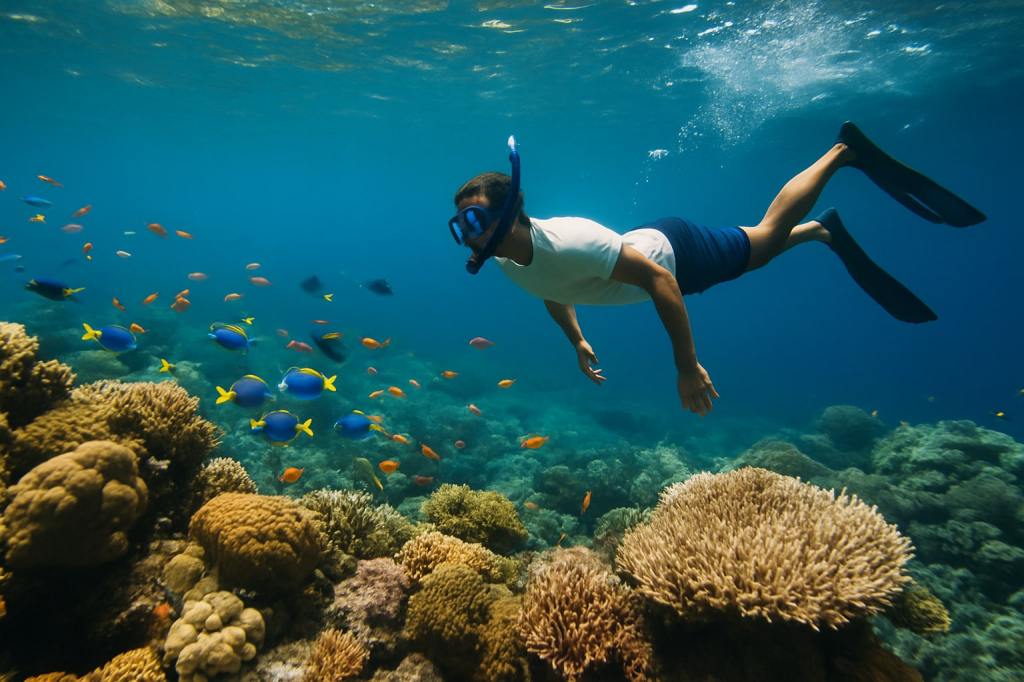
    Here’s what makes it awesome: the reef starts just meters from the shore. I’ve seen little kids float face-down with pool noodles and still catch glimpses of bright blue tangs, butterflyfish, and sometimes even a sneaky moray eel if you look under the coral shelves.

    The water’s calm most days, especially in the morning before boats start zipping around. That’s your window. By 9 or 10 am, the visibility’s peak. I usually tell folks to bring some bread in a water bottle (locals do this) and squeeze out tiny bits to draw the fish in. You’ll have a school around you in minutes. It’s like being in a Finding Nemo sequel.

    Oh—and if you’re worried about gear, don’t be. Tons of little stalls near the parking area rent out masks, snorkels, even life jackets if swimming makes you nervous. Prices? Super local. Just remember to rinse your stuff good afterward—saltwater does a number on cheap rubber.

    Amed – Coral Gardens, Shipwrecks, and Chill Vibes Only

    Amed is for when you want to slow down, maybe get a bungalow for a few days, and explore a coastline that still feels like old-school Bali. It’s a whole string of fishing villages stretched out along the northeast coast, and yeah—it takes some effort to get there, especially from South Bali. But it’s worth every curve of the drive.

    Now, the snorkeling? Unreal. You’ve got several access points: Jemeluk Bay, Lipah Beach, and even Bunutan if you feel adventurous.

    Jemeluk Bay is probably the most popular one, and for good reason. You walk in from the beach, and within 10 meters you’re floating above healthy coral and so. many. fish. Sometimes even bump into reef sharks if you go early. Nothing dangerous—they’re more afraid of you.

    What makes Amed special is how it caters to snorkelers and divers without losing its soul. There’s no beach clubs, no blasting speakers, no vendors chasing you with sarongs. Just sea, sky, and that soft black sand. Oh, and there’s a Japanese shipwreck near Lipah Beach that you can snorkel over. Not super deep, so it’s visible even if you’re just floating around.

    If you stay a night or two, make sure you snorkel at different times—sunrise snorkeling in Amed is next-level. Less people, more sea turtles.

    Menjangan Island – For the “I’ve Snorkeled Everywhere” Crowd

    Menjangan is up in northwest Bali, inside West Bali National Park. It’s not a beach you just stroll onto—you’ll need to take a boat from Labuan Lalang or Pemuteran—but trust me, it’s like diving without the tank. The visibility here is ridiculous. Like 30 meters sometimes. I’ve had guests say it felt like flying.

    The coral walls around the island are super vibrant, teeming with soft and hard coral, parrotfish, nudibranchs, and even sea turtles cruising around like they own the place. Because it’s protected, the marine life is off the charts.

    Downside? You’ll need a permit, a guide, and to pay a conservation fee. Upside? It’s never crowded. Most days it’s just a couple boats and a whole lotta ocean.

    If you’ve already snorkeled Sanur or Padangbai and thought “meh,” this’ll blow your mind. It’s more of a full-day experience, not a quick stop, but totally worth building into your itinerary—especially if you’re doing the Bali overland route.

    Nusa Penida – Snorkeling With Manta Rays, Baby!

    Alright, buckle up. Nusa Penida is a beast. It’s the kind of place where one minute you’re snorkeling over colorful reef, and the next a giant manta ray glides right past you and your GoPro suddenly feels too slow.

    The big spots here are Crystal Bay, Gamat Bay, and Manta Point. Crystal Bay is chill and decent for beginners. Clear water, mild current, decent reef. But if you’re chasing the mantas, Manta Point is where it’s at.

    Here’s the catch—you can’t just drive to these spots. You’ll need to hop on a boat tour from Toyapakeh or Buyuk Harbour, and most of them combine snorkeling with sightseeing (Kelingking, Angel’s Billabong, etc). Some tours are hit-or-miss, so go with one that leaves early and limits group size. I’ve seen people in flippers kicking each other trying to get a manta selfie. Not cool.

    If you’re lucky with the season and conditions, you’ll see mantas, turtles, and massive schools of jackfish swirling like underwater tornadoes. That stuff sticks in your memory forever.

    Oh, and heads up—the currents here can be gnarly. Always listen to your guide. If they say stay close, they mean it. Penida ain’t the place for lone-wolf snorkeling.

    Pemuteran – Where Conservation Meets Coral

    If you’re more of a “save the ocean while enjoying it” kinda traveler, Pemuteran on Bali’s north coast is your jam. This place has been doing coral restoration for years, and they’re really good at it. There’s even this thing called the Biorock Project—basically metal frames under the water that promote coral growth using low-voltage electricity. Science meets snorkeling. Kinda wild.

    You can snorkel right off the beach, and the visibility is solid most of the year. There’s this sweet spot just in front of Taman Sari Resort where the reef gets really dense and fishy. You’ll spot clownfish, angelfish, and even some funky-looking scorpionfish if you know what to look for (or if you’re lucky and they move, ‘cause those guys blend in crazy good).

    The vibe here is super chill. Not a lot of crowds, mostly eco-travelers and folks who love nature more than Instagram. If you’ve got kids or older travelers in your group, this beach is mellow and safe.

    Tip from experience? Don’t skip the sunrise snorkel. The sea’s like glass and the colors pop like someone turned up the saturation in real life.

    Sanur Beach – Easy, Accessible, and Kid-Friendly

    Not every snorkeling adventure has to involve a two-hour drive and a bumpy boat ride. Sanur is right there near Denpasar, and while it doesn’t have the most jaw-dropping reef, it’s super beginner-friendly.

    If you just wanna test out your new snorkel set or get your kids used to the gear before hitting deeper waters, Sanur’s lagoon is ideal. Calm, shallow, and usually clear in the early mornings. I’ve had plenty of guests tell me they were surprised how much marine life was hanging out just a few meters from the beach.

    The trick here is timing. Go when the tide is high and the wind is low—ideally before 9 am. Low tide turns it into a seaweed farm, and not in a cute way.

    And hey, you’ve got cafés, cold coconuts, and beach paths nearby. So it’s easy to combine a morning snorkel with a chilled-out breakfast and maybe a massage if your legs are sore.

    What’s the Best Time of Year for Snorkeling Beaches in Bali?

    This one comes up a lot, and here’s the short version: April to October is the sweet spot. That’s Bali’s dry season. Less rain, calmer seas, and clearer water. If you snorkel during rainy season (especially December to February), visibility can tank fast—like someone dumped milk in the ocean.

    I usually tell folks to hit the beaches early in the day—sun’s softer, currents are weaker, and there’s less boat traffic. Plus, fish are more active in the morning. You’ll spot more movement and color before the water heats up too much.

    One thing to keep in mind? Moon cycles affect tides big time. Around full moon or new moon, expect stronger currents, especially in places like Nusa Penida or Amed. Ask locals or check tide charts if you’re planning to go deep.

    Should You Bring Your Own Snorkeling Gear to Bali?

    Alright, here’s my two cents. If you already own a decent mask and snorkel, bring it. Nothing worse than a leaky mask when you’re trying to enjoy a sea turtle parade. Rental gear is hit or miss—some shops have great stuff, others hand you a mask that smells like it’s been in storage since 2007.

    Fins are optional unless you’re going into deeper areas or strong currents. But I always tell people to pack reef-safe sunscreen—super important. Regular sunscreen wrecks coral, and a lot of Bali’s reefs are still recovering from past damage.

    Also, quick-dry shirts are your friend. Sunburn hits hard when you’re floating on the surface for an hour.

    Snorkeling Beaches in Bali for Non-Swimmers (Yep, It’s Possible)

    Can you snorkel in Bali if you can’t swim? Believe it or not—yes, with the right setup. Places like Blue Lagoon, Sanur, and even parts of Pemuteran have shallow areas where you can stand, float with a life vest, and still see fish just below the surface.

    I’ve had guests in their 60s who were terrified of the ocean end up loving snorkeling after just one calm session with a noodle and a bit of encouragement.

    There are even snorkeling tours that offer life jackets and guides who literally pull you along with a buoy. If you’re nervous, just speak up—they’ll go slow and stick close.

    So, Which Snorkeling Beach in Bali Is the Best? It Depends on You

    Honestly? It’s like picking a favorite child. You’ve got:

    • Blue Lagoon for convenience and fishy fun
    • Amed for variety and vibe
    • Menjangan for epic underwater clarity
    • Nusa Penida for manta madness
    • Pemuteran for reef love and chill
    • Sanur for ease and families

    The best snorkeling beaches in Bali all have something special. You just gotta pick the one that fits your mood, your skills, and your itinerary. If you’ve got time? Try ’em all. Your snorkel will thank you.

  • Must-Visit Temples in Bali for First-Time Travelers

    Must-Visit Temples in Bali for First-Time Travelers

    Must-Visit Temples in Bali for First-Time Travelers – Bali isn’t just about those dreamy beach clubs and jungle swings for Instagram. If you skip the temples, you’re missing out on the real soul of the island. Whether you’re into history, culture, or just want to see something truly awe-inspiring, these must-visit temples in Bali for first-time travelers are absolute non-negotiables. Trust me, once you step into these places, you’ll feel the magic that keeps people coming back to Bali over and over again.

    Tanah Lot – The One You’ve Definitely Seen on Postcards

    If you’ve ever Googled “Bali temples,” chances are, Tanah Lot popped up first. And for good reason. This ocean temple sits on a rock formation that looks straight out of a fantasy movie. When the tide is high, it’s completely surrounded by water, making it look like it’s floating. At low tide, you can actually walk up to the base and get a closer look.

    Read also: Hidden Beach Spots in Bali You Must Visit

    What makes it special?

    It’s not just about the looks—locals believe Tanah Lot protects Bali from evil sea spirits. Plus, it’s one of the best sunset spots on the island. But be warned, it gets packed. If you’re hoping for that picture-perfect, quiet moment, aim to get there early in the morning before the tour buses arrive.
    The waves around Tanah Lot can be unpredictable. Don’t try to wade out too far, unless you want to make a grand exit being dragged by a wave.

    Uluwatu Temple – Clifftop Views and a Little Monkey Business

    Perched 70 meters above the Indian Ocean, Uluwatu Temple is breathtaking—both literally and figuratively. The views here are something else. If you come at sunset, it’s even more magical, especially when the Kecak fire dance starts. This traditional Balinese performance, held every evening, is a must-see. It’s not your usual temple experience; it’s like stepping into a live-action folklore tale.

    But here’s the deal: Uluwatu Temple is home to some of the most notorious monkeys in Bali. These little guys are professional thieves. Sunglasses, hats, phones—if it’s loose, it’s theirs now. Keep a firm grip on your belongings, or just leave anything shiny at home.

    Best time to visit? Late afternoon. You’ll get to enjoy the golden-hour glow, and if you stay for the Kecak dance, it’s an unforgettable way to end the day.

    Besakih Temple – The “Mother” of All Temples

    Besakih Temple isn’t just a temple—it’s a whole complex of over 80 temples, sprawled across the slopes of Mount Agung. It’s the most sacred and important temple in Bali, and if you’re only going to visit one traditional temple, this is it.

    What to expect: You’ll need to do a bit of walking since the temple is massive. There are long staircases, beautifully carved stone gates, and shrines dedicated to different Hindu deities. The higher you go, the more peaceful it gets. But also, be prepared: since this is a top tourist attraction, there will be local guides and sellers offering sarongs, souvenirs, and tours. Some are genuinely helpful, while others can be a little pushy. Just smile, politely decline, and move on.

    Go early in the morning when the mist still lingers around Mount Agung. It makes everything feel extra mystical, and you’ll avoid the heat and crowds.

    Tirta Empul – The Temple Where You Can Purify Yourself

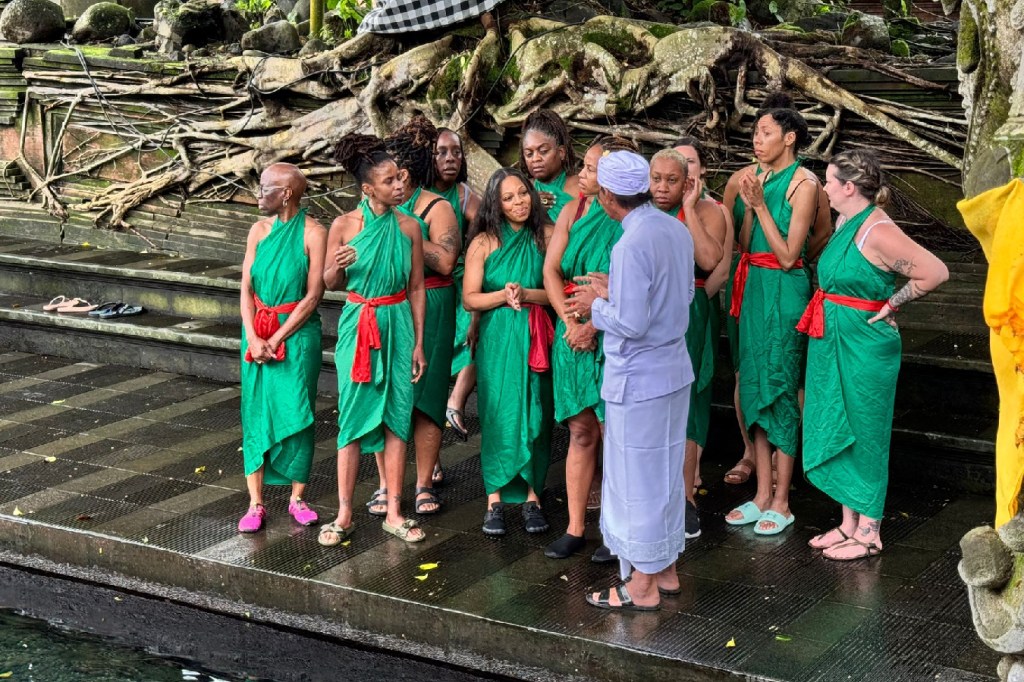
    Ever wanted to take part in a Balinese spiritual ritual? Tirta Empul is the place to do it. This water temple, famous for its holy spring water, is where locals (and visitors) come for purification ceremonies. The temple dates back to the 10th century and is still very much in use today.

    How does it work?

    You’ll rent a sarong, head to the purification pools, and step into the cool, fresh water. There are several fountains, and tradition says you should move from left to right, cleansing yourself under each one. However, two of them are meant only for the dead—so make sure to follow the instructions carefully.

    What’s it like? Cold but refreshing. It’s a surreal experience to be in the water, surrounded by ancient stone carvings, as incense fills the air. Whether you’re spiritual or not, it’s a powerful moment.

    Heads-up: Since this is an active place of worship, dress respectfully. A sarong is mandatory (don’t worry, they’re available at the entrance).

    Ulun Danu Beratan – The Floating Temple on the Lake

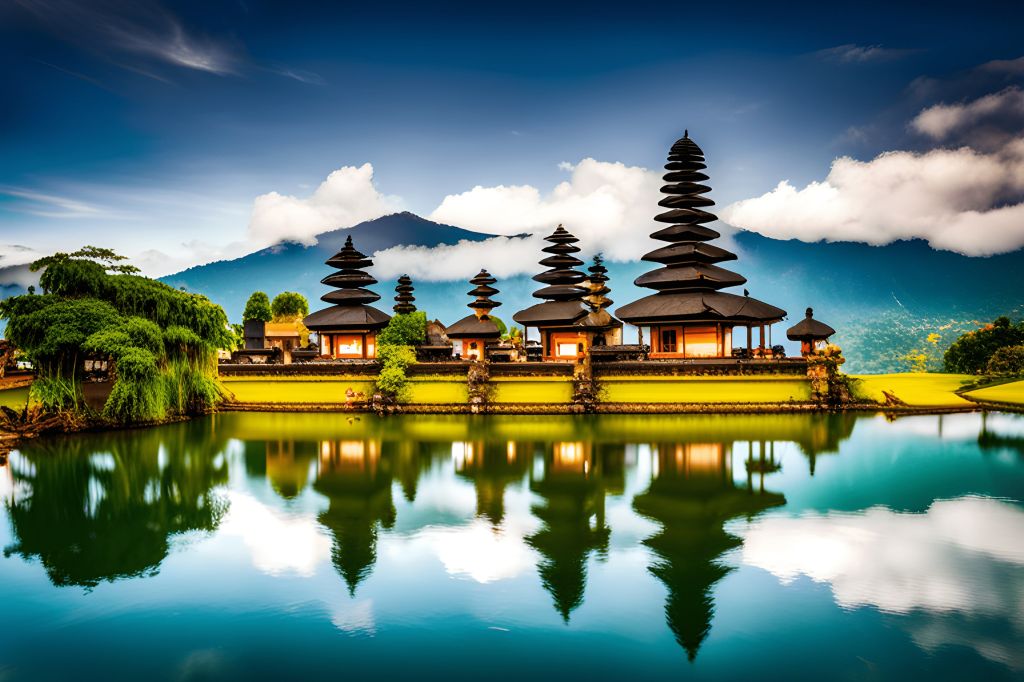
    You’ve probably seen this one in travel ads—Ulun Danu Beratan is the picture-perfect temple that looks like it’s floating on a lake. Nestled in the mountains of Bedugul, this temple is dedicated to the goddess of water, which makes sense considering it sits right on Lake Beratan.

    What’s special about it? The setting. With misty hills in the background and the calm waters reflecting the temple, it’s straight-up magical. It’s also much cooler up here compared to the beach areas of Bali, so it’s a great escape from the heat.

    Mornings are best for photography since the lake is usually still and creates a perfect reflection. If you’re coming later in the day, be prepared for some light rain—it’s common in the mountains.

    Goa Gajah – The Elephant Cave (That Has No Elephants)

    Goa Gajah is one of Bali’s quirkiest temples. Despite the name, there are zero elephants here. Instead, you’ll find an ancient cave entrance carved with fierce faces, lush gardens, and old bathing pools. It’s smaller compared to the other temples on this list, but it has a mysterious, Indiana Jones vibe that makes it worth a stop.

    What’s inside the cave?

    A dark, smoky space with small shrines, flickering oil lamps, and a faint smell of incense. It feels like stepping into another world. The temple complex also has a serene meditation area and jungle pathways that lead to hidden spots.

    Something to note: Since this is a sacred site, you’ll need to wear a sarong. And because it’s a bit tucked away in the jungle, bring bug spray unless you want to become a mosquito buffet.

    A Few More Temples That Deserve a Spot on Your List

    Look, Bali is packed with temples—over 20,000 of them, actually. While the ones I just covered are the absolute must-visits, there are a few more that are worth squeezing into your itinerary if you have the time. Some are off the beaten path, some are straight out of a fairytale, but all of them bring something special to the table.

    Lempuyang Temple – The Famous “Gates of Heaven”

    If you’ve seen those viral photos of travelers standing between two massive stone gates with a perfectly still reflection below, that’s Lempuyang Temple. And yes, the place is just as breathtaking in real life—but there are a few things you should know before you go.

    Expectation vs. Reality: That beautiful reflection in the photos? It’s not a water puddle. It’s actually a photography trick—locals use a small mirror under the camera lens to create that effect. So if you’re expecting to see a naturally reflective lake, hate to break it to you, but it’s not there.

    The real reason to visit?

    Lempuyang Temple is actually one of Bali’s most sacred sites, part of a whole complex of seven temples scattered along the slopes of Mount Lempuyang. The higher you climb, the fewer tourists you’ll see, and the views get even more incredible. Just be ready—it’s a serious workout.

    If you want that iconic “Gates of Heaven” photo, be prepared to wait. The line for pictures can take hours, especially during peak tourist season. If you’re not into waiting, arrive right at sunrise—most people don’t get there that early.

    Gunung Kawi – Bali’s Ancient Rock Temple

    Tucked away in a lush valley near Ubud, Gunung Kawi is one of Bali’s oldest and most underrated temples. It’s not the easiest to get to—you’ll need to descend (and later climb back up) over 300 stone steps—but once you reach the temple, you’ll feel like you’ve stepped into an ancient civilization.

    What makes it special?

    Instead of traditional temple structures, Gunung Kawi features massive rock-cut shrines carved directly into the cliffs. These towering stone carvings are over 1,000 years old, believed to be built in honor of an ancient Balinese king and his family. The whole area is surrounded by rice paddies, jungle, and a river, giving it a peaceful, hidden-away feel.

    Who should visit?

    If you’re into history, architecture, or just love discovering places that feel untouched by time, this one’s for you.

    Heads-up: The climb back up is no joke. Bring water, take your time, and maybe don’t visit in the middle of the afternoon unless you enjoy sweating through your clothes.

    Saraswati Temple – Ubud’s Most Beautiful Water Temple

    If you’re spending time in Ubud (which you absolutely should), make a quick stop at Saraswati Temple. It’s one of the easiest temples to visit—right in the heart of Ubud, no long drives or hikes required.

    Why visit?

    The temple is dedicated to Saraswati, the goddess of wisdom and arts, and it’s known for its stunning lotus pond that leads up to the entrance. If you’re looking for a spot to take some serene, traditional Bali photos without a ton of effort, this is it.

    There’s a café next door (Lotus Café) where you can sip on Balinese coffee while admiring the temple view. It’s a solid way to relax after wandering through Ubud’s bustling streets.

    Pura Taman Ayun – The Royal Temple of Mengwi

    Not as famous as Tanah Lot or Uluwatu, but Pura Taman Ayun is one of Bali’s most elegant temples. Built in the 1600s, this place was once the royal family’s temple, and you can feel the grandeur as soon as you walk in.

    What’s cool about it?

    Unlike the cliffside or oceanfront temples, Taman Ayun sits in a beautifully landscaped garden surrounded by a wide moat, giving it a tranquil, almost regal feel. The multi-tiered pagoda-like shrines (called meru) are some of the most photogenic in Bali.

    Best time to visit?

    Mid-morning, when the sun lights up the temple’s intricate carvings. Since it’s not as crowded as the other big-name temples, you won’t have to battle tour groups for a quiet moment.

    How to Make the Most of Your Bali Temple Visits

    Now that you’ve got a solid list of temples to check out, let’s talk about a few things that’ll make your visits smoother. These might seem like common sense, but you’d be surprised how many first-time travelers get caught off guard.

    1. Dress Respectfully (Seriously, Just Do It)

    Bali’s temples aren’t just tourist attractions—they’re sacred places of worship. A sarong and a sash around the waist are usually required, and if you’re wearing shorts, you’ll need to cover up. Most temples offer sarongs for rent, but if you plan on visiting multiple, it’s worth bringing your own.

    You can buy a sarong for about 50,000 IDR (~$3) at local markets. Keep one in your bag, and you’re good to go for any temple.

    1. Watch Out for Monkeys (They’re Cute but Shady)

    At Uluwatu, Monkey Forest, and even some lesser-known spots, the monkeys will steal your stuff if you’re not careful. I’ve seen people lose sunglasses, phones, and even flip-flops to these furry pickpockets.

    What to do?

    Keep your belongings zipped up, avoid making direct eye contact (seriously, they take it as a challenge), and never, ever try to grab something back from a monkey.

    1. Timing Is Everything

    Bali’s temples can get insanely crowded, especially the famous ones. If you want to avoid the chaos:

    • Sunrise is best for peace and quiet. Most tourists don’t wake up early, so you’ll have places like Tirta Empul or Lempuyang almost to yourself.
    • Sunset is amazing, but also peak tourist time. Uluwatu and Tanah Lot are gorgeous at sunset, but they also attract the biggest crowds. Arrive early to grab a good spot.
    • Rainy season (November-March) means fewer tourists but unpredictable weather. Some temples, like Ulun Danu Beratan, actually look more mystical with mist and rain. Others, not so much.
    1. Bring Small Cash for Entrance Fees

    Most temples have an entrance fee, and while it’s usually cheap (around 30,000–75,000 IDR, or $2–$5), some places still don’t take cards. Have small bills ready so you don’t have to scramble for change.

    Bali’s temples are more than just Instagram backdrops. Each one has its own personality, legends, and energy that make them worth visiting. Whether you’re watching the sunset at Tanah Lot, getting a blessing at Tirta Empul, or climbing the long staircases of Besakih, these temples will give you a deeper appreciation for Bali’s culture and spiritual roots.

    So, which one’s first on your list? Or better yet—how many can you fit into your trip? Either way, take your time, be present, and let Bali’s magic do its thing.

  • Hidden Beach Spots in Bali You Must Visit (Before They Get Crowded)

    Hidden Beach Spots in Bali You Must Visit (Before They Get Crowded)

    Bali’s beaches? Yeah, they’re stunning—but let’s be real, some of them are packed. You’ve seen the photos: rows of umbrellas, endless crowds, overpriced coconut stands. That’s not the Bali experience you came for. You want secluded, untouched shores, the kind where you can hear the waves instead of a DJ blasting house music. Well, good news—I’ve done the legwork, gotten lost on a scooter (more than once), and found some hidden beach spots in Bali you must visit before the influencers take over.

    And trust me, finding these places ain’t always easy. Some require hiking, others demand a nerve-wracking ride down steep paths, but every single one is 100% worth it.

    Green Bowl Beach – The Hidden Cave Beach You’ll Have to Work For

    Let’s start strong. Green Bowl Beach is not for the lazy. You gotta walk down 300+ steep steps (which is fine on the way down but an absolute thigh killer going back up). But what’s waiting at the bottom? A tiny, stunning beach, soft white sand, and turquoise water so clear you’d think it was photoshopped.

    The real kicker? There are caves—actual sea caves—where you can chill in the shade while watching the waves roll in. At low tide, you can explore more of the coastline, but at high tide, the water creeps up fast, so keep an eye on it unless you want an unexpected swim.

    Getting there: Rent a scooter and follow Google Maps—just be ready for a bit of off-roading near the entrance. The parking fee is about 5,000 IDR ($0.30), and you won’t find food stalls, so bring your own snacks and water.

    Nyang Nyang Beach – A Stretch of Sand With Almost No One on It

    This one feels like your own private paradise. Nyang Nyang Beach is one of the longest stretches of empty beach in Bali, and the crazy part? Almost no one goes here. Probably because getting there involves a 20-minute trek down a steep trail—Bali’s way of testing your commitment to peace and quiet.

    The waves here are powerful, making it a hotspot for experienced surfers. Not into surfing? No worries. The shipwrecked boat covered in graffiti near the shore makes for some cool photos, and if you pack a picnic, you’ll have an insane lunch view.

    Heads up: There are zero facilities, no shade, and no warungs (local eateries), so load up on sunscreen and bring your own water unless you enjoy dehydration.

    Gunung Payung Beach – Like Pandawa, But Without the Chaos

    Ever heard of Pandawa Beach? It’s beautiful but way too popular. Gunung Payung Beach, though, is its chill, underrated sibling. The sand is just as soft, the water just as clear, but with a fraction of the crowd.

    There’s a temple nearby, so sometimes you’ll see locals doing traditional ceremonies—which honestly just adds to the magic. If you’re into snorkeling, bring your own gear because the water here is full of marine life, and since it’s so quiet, you’ll probably have the reef all to yourself.

    Check also: Bali Temple Dress Code and Etiquette

    How to get there: Drive past Pandawa Beach and keep following the road until you reach Gunung Payung. The parking fee is about 5,000 IDR ($0.30), and entry is free.

    Bias Tugel Beach – The ‘Secret’ Beach Near Padang Bai

    Okay, so Bias Tugel Beach isn’t exactly a secret, but compared to most Bali beaches, it’s still pretty under the radar. Tucked away near Padang Bai, this little slice of paradise is perfect for swimming—which, if you know Bali, is kind of rare (so many beaches are all about waves, not swimming).

    The sand is ridiculously soft, the water is crystal-clear, and the vibe? Chill. You’ll find a couple of warungs selling fresh coconuts and mie goreng (fried noodles), and there’s even a small coral reef nearby for snorkeling.

    The entrance is a bit hidden, so ask a local if you’re lost. Parking is about 10,000 IDR ($0.65), but it’s worth it.

    Tegal Wangi Beach – The Sunset Spot Most Tourists Miss

    If you’re hunting for a beach with killer sunset views and a bit of an adventurous edge, Tegal Wangi Beach is it. Unlike most Bali beaches where you just walk onto the sand, this one requires a little climbing down a rocky path. But once you’re there? You get dramatic cliffs, natural tide pools, and one of the best sunset spots in Bali without the crazy crowds.

    Photographers love this place, so don’t be surprised if you see wedding photoshoots happening in the golden light. If you wanna take a dip in the tide pools, come at low tide—otherwise, they disappear under the waves.

    Best time to visit: Sunset. Hands down. But get there at least 30 minutes before golden hour so you can claim a good spot.

    Tips for Finding Hidden Beaches in Bali (Without Wasting Your Time)

    • Use offline maps – Some of these spots have weak signals, so download Google Maps offline before heading out.
    • Check the tides – Some beaches almost disappear at high tide, so plan accordingly.
    • Rent a scooter – It’s the easiest (and cheapest) way to explore. Just drive slow on rough roads.
    • Pack light but smart – Sunscreen, water, snacks, and a sarong (doubles as a towel).
    • Respect nature – Don’t leave trash behind. Bali’s beauty depends on it.

    Suluban Beach – The Secret Cave Beach That Feels Like Another World

    You know those beaches that make you feel like you’ve stumbled into a pirate’s hideout? That’s Suluban Beach. Tucked beneath towering cliffs, this hidden treasure (yeah, I said it) is only accessible through a maze of rock formations and narrow cave-like paths. Getting here is like stepping into a different world.

    The best part? It’s never really crowded—at least, not in the way that Kuta or Seminyak is. Most people come here to surf, so if you’re not riding the waves, you can just chill in the shade of the cliffs, dip in the clear water, or explore the little caves around the shore.

    Heads up: This beach practically disappears at high tide, so check the tide charts before you go, or you might end up with wet shoes (or worse, no dry spot to sit).

    Getting there: Park near Single Fin (yes, the famous beach bar), then walk down the narrow pathway through warungs and surf shops until you hit the caves. Entrance is free, but parking will set you back 5,000 IDR ($0.30).

    Karma Beach – The Exclusive Beach You Can Actually Sneak Into

    Alright, so Karma Beach is technically part of a luxury beach club, meaning they expect you to pay to access it (about 650,000 IDR, or $40 per person—ouch). But locals know a little hack: instead of paying, you can hike down the rocky path on the side of the resort. It’s steep, and it takes effort, but hey—free beach.

    The beach itself is pristine, with soft white sand, crystal-clear water, and even beachside service (if you decide to splurge on a drink). Since most people don’t bother with the trek, it stays pretty quiet, and if you get lucky, you might just have it all to yourself.

    Tip: If you do wanna experience the fancy side of things, come after 5 PM when the beach club sometimes waives the entry fee. Otherwise, bring your own drinks and enjoy the free version.

    Melasti Beach – The Prettiest Cliffs in Bali

    Some beaches are great for chilling, others for surfing, and then there’s Melasti Beach, which is just straight-up stunning. The drive down alone is breathtaking—winding roads carved through limestone cliffs, with views that could rival any tropical postcard.

    The beach itself? Powdery white sand, calm turquoise water, and zero chaos. It’s way less crowded than nearby Pandawa Beach, and thanks to the cliffs, the wind stays light, making it perfect for sunbathing or just floating in the water.

    Instagrammers, take note: If you want the best shots, visit in the early morning before the midday light washes everything out. Sunset is another great time, but it gets a little busier.

    Getting there: The entrance fee is around 10,000 IDR ($0.65), and there’s plenty of parking. If you’re renting a scooter, drive slow—the road is steep and winding.

    Pasir Putih (White Sand Beach) – The East Coast’s Best-Kept Secret

    Most tourists stick to Bali’s southern beaches, but if you wanna escape the usual scene, head east to Pasir Putih (aka White Sand Beach). This little stretch of paradise near Candidasa is the definition of laid-back—no beach clubs, no crowds, just simple bamboo huts, soft white sand, and crystal-clear water perfect for swimming.

    Since it’s on the east coast, the vibe is totally different—more relaxed, less party, more peaceful getaway. You’ll find a few local warungs serving fresh seafood, and if you’re up for an adventure, you can rent a traditional fishing boat for a quick tour around the area.

    Local tip: If you’re driving, ignore Google Maps’ shortcut—it’ll lead you through some sketchy dirt roads. Instead, follow the main road through Candidasa, then take the signposted turnoff.

    Thomas Beach – The Beach Nobody Talks About

    For some reason, Thomas Beach doesn’t get the same hype as its neighbors like Uluwatu and Padang Padang—but that’s exactly why it’s perfect. It’s got soft white sand, clear water, and gentle waves that make it great for swimming.

    Unlike some of the more intense surf beaches around Uluwatu, this spot is perfect for beginners or just lazy ocean floats. There are a few beach shacks selling cheap drinks and snacks, but no loud music, no massive crowds—just pure, chill Bali vibes.

    Heads up: The entrance is a bit hidden, so if you don’t see any signs, ask a local. It’s a short walk down from the main road, and totally worth it.

    Pemuteran Beach – The Underrated Northern Escape

    If you really want to escape the crowds, head north to Pemuteran Beach. This spot is a hidden paradise for snorkeling and diving, with some of the best coral reefs in Bali. The water is calm, making it perfect for both beginners and experienced divers, and you won’t find the usual tourist mayhem that dominates the southern beaches.

    This area is also home to Bali’s biggest artificial reef project, so if you’re into marine conservation, it’s an awesome place to check out. Unlike the busy beaches down south, Pemuteran still feels untouched, with only a handful of small hotels and beachfront cafes.

    Getting there: It’s a 3-hour drive from Ubud or Canggu, so either rent a car or book a driver if you’re not comfortable riding a scooter that far.

    How to Make the Most of These Hidden Beaches

    Now that you’ve got a killer list of secluded beaches, here’s how to make the most of them:

    • Go early – Even hidden beaches get visitors later in the day. If you want solitude, aim for morning hours.
    • Check the tides – Some beaches disappear at high tide, so always look up tide charts before heading out.
    • Pack light but smart – Water, snacks, sunscreen, and a sarong (it’s a towel, a blanket, a cover-up—all in one).
    • Respect nature – Leave no trace. Bali’s beauty depends on us keeping it clean.
    • Bring cash – Small warungs and parking attendants often don’t take cards.

    Bali’s best beaches aren’t the ones you see in travel brochures—they’re the ones you have to work a little harder to find. Whether you’re down for a steep trek, a quiet swim, or a hidden surf break, these secret beaches are waiting.

  • Bali Temple Dress Code and Etiquette: What You Need to Know Before You Go

    Bali Temple Dress Code and Etiquette: What You Need to Know Before You Go

    So, you’re planning a trip to Bali and looking forward to visiting its breathtaking temples. Good call. But before you step into these sacred places, let’s talk about something that can make or break your temple experience—the Bali temple dress code and etiquette. Trust me, the last thing you want is to be turned away at the entrance or, worse, unintentionally offend the locals.

    Balinese temples aren’t just tourist attractions—they’re living places of worship. And because of that, there are strict yet simple rules you need to follow when it comes to what you wear and how you behave. Don’t stress, though. I’ve been there, made mistakes, and learned a thing or two. Let’s break it all down so you don’t have to figure it out the hard way.

    What to Wear to a Bali Temple (And What NOT to Wear!)

    Alright, first things first—what’s the dress code? The basic rule is: modest and respectful. No, that doesn’t mean you have to be covered from head to toe like you’re in a monastery, but it does mean no tank tops, short shorts, or bikinis (yes, I’ve actually seen people try to enter in a swimsuit. Facepalm moment).

    Read also: Beginner Surf Spots in Bali

    Here’s the breakdown of what you should wear:

    • Sarong (kain kamen) – This is a must. Both men and women have to wear one. It’s basically a long piece of fabric you wrap around your waist like a skirt. Don’t have one? No worries—most temples rent them out at the entrance for a small fee.
    • Sash (selendang) – This goes around your waist, tied over the sarong. It’s another non-negotiable.
    • Covered shoulders – Ladies, pack a lightweight shawl or wear a T-shirt instead of a spaghetti strap top. Gents, a simple T-shirt is perfect.
    • Longer bottoms – If you’re already wearing a long skirt or loose pants, you’re good. Otherwise, you’ll still need that sarong.

    What NOT to wear:

    • Anything too tight, revealing, or see-through.
    • Swimwear (yes, this includes that cute cover-up you thought was “modest enough”).
    • Shorts or miniskirts—these won’t cut it unless you wrap a sarong over them.
    • Ripped jeans (some temples allow them, but why risk it?).

    Oh, and if you’re on your period, tradition says you’re not supposed to enter. Yep, I know it sounds old-school, but Balinese Hindu customs consider menstruation impure. Do with that info what you will, but if you choose to respect the rule, it’s best to plan accordingly.

    Bali Temple Etiquette: Don’t Be That Tourist

    Now that you’re dressed properly, let’s talk about how to behave inside the temple. A lot of it is just common sense, but you’d be surprised how many tourists completely ignore these rules.

    No PDA, Please!

    Holding hands, hugging, or (yikes) kissing in a temple? Big no-no. Even if you’re on your honeymoon, keep the affection for later. Balinese culture is conservative when it comes to public displays of affection, especially in a religious setting.

    Keep Your Head Lower Than the Priest


    This one’s easy to forget but super important. If a Balinese priest (pemangku) is performing a ceremony, you should never stand or walk higher than them. If they’re sitting, you sit. If they’re standing, you keep a respectful distance.

    Walk Around Shrines the Right Way

    Ever noticed people walking clockwise around temple shrines? That’s intentional. In Balinese Hinduism, it’s believed to bring good energy. Walking counterclockwise? Not so much. Just follow the crowd if you’re unsure.

    Watch Your Step (Literally)

    Those little offerings (canang sari) you’ll see on the ground? Don’t step on them! These colorful flower baskets with incense are offerings to the gods, and accidentally kicking one is considered disrespectful.

    Stay Quiet and Respect the Rituals

    If a prayer session is happening, don’t just barge in with your phone out recording. Some temples allow visitors to watch ceremonies, but be discreet, keep your volume down, and—this should go without saying—don’t interrupt.

    The Best Temples to Visit in Bali (And Their Dress Code Rules)

    Not all temples in Bali have the exact same rules, but the dress code is pretty standard across the board. Here’s a quick guide to some of the most famous temples and what you need to know before you go:

    Uluwatu Temple

    One of the most stunning cliffside temples. They’re strict about sarongs and sashes, but they provide them for free with your entrance ticket. Beware of the monkeys—they’re little thieves who love stealing sunglasses, hats, and even phones.

    Tanah Lot Temple

    This one’s surrounded by water, so if you want to walk across to the temple at low tide, wear something easy to move in. The dress code applies only if you’re entering the inner temple—otherwise, casual attire is fine.

    Besakih Temple (Mother Temple)

    The holiest temple in Bali, and also the strictest. If you visit, be extra respectful—don’t enter shrines where locals are praying, and avoid using flash photography.

    Tirta Empul (Water Temple)

    If you’re doing the purification ritual in the holy springs, bring a change of clothes! You’ll need a sarong for the temple itself and a special rental sarong for the water. Also, don’t splash or play around—this is a sacred experience, not a swimming pool.

    Renting or Buying a Sarong in Bali

    If you’re visiting multiple temples, you might want to just buy your own sarong instead of renting one every time. You can find cheap sarongs for $3–5 at local markets, but if you want a nicer one, expect to pay $10–20.

    Haggle at the markets! It’s expected, and you’ll almost always get a better deal.

    If you don’t want to buy one, most major temples offer free sarong rentals with your ticket. But smaller ones may charge a small rental fee (around $1–2).

    How to Nail the Bali Temple Dress Code & Etiquette

    • Always wear a sarong and sash. No exceptions.
    • Cover your shoulders and avoid tight or revealing clothing.
    • No public displays of affection.
    • Respect ongoing ceremonies—don’t interrupt or take intrusive photos.
    • Walk clockwise around shrines and avoid stepping on offerings.
    • Keep your head lower than priests.
    • Check if the temple provides sarongs or if you need to rent one.
    • Be mindful of temple-specific rules (especially at Besakih and Tirta Empul).

    Stick to these, and you’re golden. You’ll not only avoid embarrassing temple mishaps but also show respect for Bali’s deeply spiritual culture. Plus, you’ll actually enjoy your temple visits instead of stressing over whether you’re following the rules.

    Now, go explore some temples like the respectful traveler you are—without getting side-eyed by the locals!

    What Happens If You Don’t Follow the Bali Temple Dress Code?

    Look, I get it. Sometimes you’re in full vacation mode, and the last thing on your mind is whether your outfit meets religious standards. But Bali isn’t the kind of place where you can just wing it when it comes to temple etiquette. If you show up wearing something inappropriate, here’s what might happen:

    You’ll Be Denied Entry

    Simple as that. If your outfit doesn’t meet the temple’s dress code, you won’t be allowed inside. No arguing, no exceptions. You’ll either have to rent or buy a sarong, or turn around and find something else to do.

    You’ll Get The Look

    Balinese people are incredibly welcoming, but they also take their traditions seriously. If you walk into a temple dressed like you just came from the beach, expect some judgmental glances—especially from the locals. It’s not about being rude; it’s about respecting their culture.

    You Might Offend Locals Without Realizing It

    Even if no one says anything to you, disrespecting temple dress codes can be deeply offensive to Balinese Hindus. Imagine someone walking into your church, mosque, or temple wearing a bikini. Feels weird, right? Same thing here.

    You’ll Stand Out for the Wrong Reasons

    No one wants to be that tourist. The one who gets stared at, whispered about, or—worst case—asked to leave. Wearing the right attire isn’t just about following rules; it’s about blending in and showing that you care about the culture you’re visiting.

    What If You Forget a Sarong? Here’s What to Do

    Maybe you’re on a spontaneous adventure and didn’t think to pack a sarong. No big deal—most temples have you covered (literally). Here’s what to do:

    Check for Free Rentals at the Temple Entrance

    Major temples like Uluwatu and Besakih provide free sarongs and sashes with your entrance ticket. Just grab one, wrap it around, and you’re good to go.

    Rent One for Cheap

    Smaller temples often charge a small rental fee (usually 10,000–25,000 IDR, or about $1–2 USD). It’s not a scam—this is just how they maintain the temple and provide visitors with the proper attire.

    Buy a Sarong from a Local Vendor

    If you’re visiting multiple temples, it might be worth buying your own sarong instead of renting one every time. Markets and street vendors sell them for 50,000–150,000 IDR ($3–10 USD) depending on the material and quality. Just make sure to haggle a little—it’s expected!

    Can Men Wear Shorts to a Bali Temple?

    Short answer? Nope. At least not on their own.

    Even if your shorts reach your knees, you’ll still need to wrap a sarong over them. Temples require both men and women to cover their legs completely.

    That said, if you’re already wearing lightweight linen pants or a long skirt, you might be able to skip the sarong at some temples. But honestly? It’s best to always carry one just in case.

    Is It Rude to Refuse Wearing a Sarong?

    If a temple asks you to wear a sarong, just do it. There’s no way around it.

    Refusing to wear one isn’t just disrespectful—it makes you look ignorant and entitled. Think of it like taking off your shoes before entering someone’s house. It’s just basic respect.

    If you really don’t want to wear a sarong, maybe skip the temple visit altogether and explore Bali’s natural attractions instead.

    The One Thing No One Tells You About Temple Visits in Bali

    Alright, here’s something most travel blogs won’t mention—temple visits aren’t always this peaceful, zen-like experience you see in photos.

    Some Temples Are Crowded & Touristy

    Places like Uluwatu and Tanah Lot? Packed. Especially around sunset. If you’re hoping for a quiet, spiritual moment, you might be better off visiting lesser-known temples like Gunung Kawi or Pura Lempuyang early in the morning.

    Scams Exist (But They’re Easy to Avoid)

    At some temples, you’ll meet people claiming you must hire a guide or must make a donation before entering. That’s not true. Legitimate donations are optional, and official temples never force you to hire a guide. If someone pressures you, just politely say no and move on.

    Monkeys Are Out to Get You

    Uluwatu Temple is famous for its stunning views—and its sneaky monkeys. These little guys aren’t shy about snatching sunglasses, hats, and even phones. If you visit a temple with monkeys, keep your stuff zipped up and don’t make eye contact (seriously, they see it as a challenge).

    Best Time to Visit Bali Temples for a Peaceful Experience

    Want to avoid the tourist crowds and actually enjoy the temple atmosphere? Timing is everything.

    Visit Early in the Morning

    Most temples open around 6–7 AM, and this is the absolute best time to go. Not only do you get a peaceful, crowd-free experience, but the morning light also makes for some killer photos.

    Avoid Sunset (Unless You Love Crowds)

    Uluwatu and Tanah Lot are sunset hotspots, which means they’re packed with tourists at golden hour. The views are spectacular, but if you’re not a fan of crowds, consider visiting in the late afternoon instead.

    Go on a Weekday

    Bali temples are busiest on weekends and religious holidays. If you can, plan your visit for a Monday–Thursday to avoid the biggest crowds.

    Final Bali Temple Tips for First-Time Visitors

    Before you go, here are a few random but important things to keep in mind:

    • Bring cash – Some temples charge a small entrance fee, and most don’t accept credit cards.
    • Wear comfortable shoes – Some temples require a lot of walking (Besakih, I’m looking at you). Sandals are fine, but avoid anything flimsy.
    • Stay hydrated – Bali is hot, and temple visits can take hours. Bring a water bottle, but don’t drink inside the temple—it’s considered rude.
    • Respect temple photography rules – Some places allow photos, others don’t. Always check before snapping away.

    Follow these tips, and you’ll have a smooth, respectful, and unforgettable temple experience. And hey, if you mess up a little—don’t sweat it. As long as you’re trying to be respectful, the locals will appreciate it.
    Now go explore some temples, dress appropriately, and enjoy the magic of Bali!

  • Best Beginner Surf Spots in Bali: Where to Catch Your First Wave Without Wiping Out

    Best Beginner Surf Spots in Bali: Where to Catch Your First Wave Without Wiping Out

    Bali is straight-up legendary for surfing, but if you’re just starting out, not every break is gonna be your friend. The island is packed with powerful reef breaks that’ll chew you up and spit you out if you don’t know what you’re doing. But don’t stress—there are plenty of mellow spots where beginners can get their feet wet (literally) without getting worked by the waves. After years of watching newbies flail and figuring out which beaches are actually beginner-friendly, I’ve got a solid list of the best beginner surf spots in Bali. Whether you’re looking for a relaxed first session or trying to get to that next level, these spots will get you started without too much carnage.

    Kuta Beach – The Classic Beginner Spot (Because Duh, It’s Kuta)

    Kuta Beach is the go-to for learning to surf in Bali. It’s got sandy-bottom waves (so no sharp reefs waiting to slice your feet open), tons of surf schools, and a lineup filled with fellow beginners, which means you won’t feel like a total kook. The waves here are typically small to medium-sized, breaking gently in warm, waist-deep water. If you wipe out—which you will, and that’s okay—you’re not landing on anything that’ll hurt you.

    Best part? There are surf instructors everywhere. Whether you book a lesson in advance or just rock up and rent a board from a local beach shack, you’ll find someone to show you the ropes. Prices are super reasonable—expect to pay around 150,000–250,000 IDR ($10–$15 USD) for a lesson with board rental included. And if you’re trying to keep it budget-friendly, just rent a board for 50,000 IDR ($3 USD) and give it a shot yourself.

    Stick to early mornings or late afternoons to avoid the crazy crowds. And keep an eye out for your stuff—Kuta is awesome, but petty theft is a thing, especially if you leave your phone chilling on the sand.

    Legian Beach – Like Kuta, But Less Chaotic

    Legian Beach is basically Kuta’s chill cousin. It’s just a little further north, meaning the same soft, sandy bottom and friendly waves, but way fewer people. If you want a beginner-friendly spot without the constant party vibe of Kuta, this is it.

    The waves here are a little softer than Kuta’s, making them ideal for learning to pop up and ride without feeling rushed. Plus, surfboard rentals and lessons are easy to find, with similar prices to Kuta. If you’re struggling with paddling (because let’s be real, paddling sucks when you’re new), this is a great place to practice since the currents aren’t as strong as other spots.

    If you’re not feeling confident, take a lesson. The local instructors here tend to be a little more patient than the ones in Kuta, where things can feel more rushed.

    Canggu (Batu Bolong Beach) – Where Beginners & Hipsters Collide

    Canggu is where you’ll find Bali’s digital nomads, smoothie bowl enthusiasts, and longboarders looking effortlessly cool. If you’re after gentle, rolling waves that make learning fun (instead of terrifying), Batu Bolong Beach in Canggu is a solid choice.

    The waves here break slow and steady, which is perfect for beginners—especially if you’re into longboarding. Shortboards? Not so much. The crowd here is mixed, with beginners, intermediate surfers, and old-timers who’ve been gliding on these waves for decades.

    The downside? Crowds. Batu Bolong is packed, especially during sunset sessions. But if you don’t mind sharing waves and dodging a few rogue surfboards, it’s an amazing place to learn. Board rentals and lessons are easy to find, and the vibe is super laid-back.

    If you’re brand new to surfing, start at the inside section where the waves are smaller. Once you’re feeling more confident, paddle further out to catch the bigger sets.

    Jimbaran Bay – The Super Chill Option

    If you want zero stress and maximum chill, Jimbaran Bay is where it’s at. The waves here are small and friendly, which makes it an amazing place for kids, total beginners, or anyone who just wants to paddle around without wiping out. The beach itself is stunning, with soft sand and calm water—perfect if you’re still figuring out how to balance on your board without face-planting every five seconds.

    Unlike the more famous surf beaches, Jimbaran Bay doesn’t have massive crowds of surfers. It’s more of a local hangout, known for its seafood restaurants and sunset views. That means it’s not a hardcore surf destination, but it’s a fantastic place to practice without pressure.

    This is one of the best places for absolute first-timers. If you’ve never touched a surfboard in your life, this is the perfect training ground before moving on to Kuta or Canggu.

    Padang Padang (Baby Padang) – For When You’re Almost Ready for Bigger Waves

    Padang Padang is famous for its heavy, barreling reef break (which, by the way, you should 100% avoid as a beginner unless you enjoy getting worked). But Baby Padang, a smaller section of the beach, is perfect for beginners who want to level up.

    The waves here are still gentle enough to be beginner-friendly, but they’ve got a bit more punch compared to places like Kuta or Jimbaran. It’s a great place to transition from foam boards to real surfboards and start working on turning and controlling your ride.

    Local Tip: The best time to surf here is mid to high tide. At low tide, the reef gets a little too close for comfort. And trust me, hitting reef hurts.

    What to Know Before You Go Surfing in Bali

    Before you paddle out like you’re about to star in a surf movie, keep these things in mind:

    • Renting a Board: If you’re not traveling with your own board, rentals cost about 50,000–100,000 IDR ($3–$6 USD) per hour. Some places will cut you a deal for half-day or full-day rentals.
    • Tide Matters: Some spots (like Baby Padang) need the right tide to be beginner-friendly. Check Surfline or Magicseaweed for tide reports before heading out.
    • Watch for Rip Currents: Even beginner beaches have currents that can pull you out. If you ever feel like you’re getting dragged, don’t panic—just paddle parallel to the shore until you’re out of it.
    • Reef vs. Sand: Stick to sand-bottom beaches (like Kuta, Legian, and Jimbaran) when you’re just starting out. Reef breaks can be brutal if you’re not experienced.
    • Sunscreen is Non-Negotiable: The Bali sun is unforgiving, and sunburned shoulders make paddling miserable. Use reef-safe sunscreen, ideally SPF 50+, and reapply every couple of hours.

    The Verdict: Where Should You Start?

    If you’re brand new, start at Kuta Beach or Jimbaran Bay—super forgiving waves, soft sand, and lots of instructors to help you out. If you’re already catching waves and want to improve, Batu Bolong or Baby Padang are the move. And if you just want to surf without dealing with a million people, hit up Legian Beach instead of Kuta.

    Bali’s got something for every level, and once you get a taste of those warm, rolling waves, you’re gonna be hooked. Just don’t forget to have fun—because at the end of the day, that’s what it’s all about.

    Leveling Up: What’s Next After Bali’s Beginner Spots?

    So you’ve caught your first waves, stood up a few times (even if it was just for half a second), and now you’re thinking, What’s next? Bali is packed with surf spots for all levels, so once you’re comfortable at places like Kuta, Legian, and Batu Bolong, it’s time to challenge yourself a little. But don’t go charging Uluwatu just yet—there’s a sweet middle ground before hitting those heavy reef breaks.

    1. Dreamland Beach – The Next Step After Kuta

    If you’ve been surfing Kuta for a while and want a bit more power in the waves, Dreamland Beach is a great next step. Located on the Bukit Peninsula, this beach still has a sandy bottom, but the waves are a bit bigger and punchier. On smaller days, it’s still beginner-friendly, but when the swell picks up, it becomes more of an intermediate wave.

    It’s less crowded than Kuta and Canggu, which means fewer people dropping in on you. Plus, the water here is ridiculously clear, and the whole beach just feels like a postcard.

    Local Tip: Be mindful of the tides—high tide is better for beginners, while low tide can make the waves dump a little harder.

    1. Medewi – The Lazy River of Surf Breaks

    If you’re starting to get comfortable with turning and trimming along a wave, Medewi is your spot. It’s home to one of the longest left-hand waves in Bali, meaning you get plenty of time to practice without constantly paddling back out.

    The wave here is so mellow—it’s like a longboarder’s dream. It’s a mix of reef and rocks, but it’s not nearly as gnarly as Uluwatu or Padang Padang. This place is perfect for beginner-to-intermediate surfers who want to practice linking turns without worrying about steep drop-ins.

    Local Tip: Medewi is a bit of a drive from the main tourist areas (about 2.5 hours from Canggu), but it’s worth it for a quiet, relaxed surf session.

    1. Balangan – If You’re Feeling Adventurous

    Alright, so Balangan is a little more advanced than the other spots on this list, but on a small day, it’s actually a really fun, mellow wave. The lineup is usually more experienced surfers, so it’s good to observe and learn surf etiquette here.

    The takeoff can be a little tricky because of the reef, but once you’re on the wave, it’s a beautiful, long ride. If you’ve been catching green waves at Batu Bolong and want to push yourself, this could be a fun challenge.

    Local Tip: Go at mid to high tide—low tide exposes the reef, and you don’t want to be scraping your knees on that.

    Common Beginner Mistakes (And How to Avoid ‘Em)

    Look, every surfer has gone through the awkward beginner phase. Wiping out, getting in people’s way, paddling for a wave you had no business chasing—it’s all part of learning. But here are a few things that’ll make your surf progression smoother:

    • Paddling Like a Champ: Most beginners don’t paddle enough. You’ve gotta commit—strong, consistent strokes until you feel the wave picking you up. If you hesitate, you’ll miss the wave or nose-dive.
    • Picking the Right Waves: Not every wave is worth paddling for. If it looks too steep or is closing out (breaking all at once), skip it and wait for a better one.
    • Learning to Turtle Roll: If you’re on a bigger board, learn how to turtle roll under waves instead of just getting smashed by them. Trust me, your arms will thank you.
    • Not Snaking or Dropping In: One of the quickest ways to annoy locals is by dropping in on someone’s wave (aka taking off when they already have priority). Always look before you go.

    Should You Take a Surf Lesson or Just Wing It?

    If you’re an absolute beginner, take a lesson. It’s way easier to learn the right techniques from day one rather than developing bad habits that’ll take forever to fix. Most beginner spots in Bali have plenty of instructors, and the cost is super reasonable.

    If you’ve already got the basics down and just need practice, renting a board and figuring things out on your own is totally fine. Just be prepared to paddle a lot, get frustrated sometimes, and maybe take a few unexpected wipeouts. It’s all part of the fun.

    Local Tip: If you’re serious about improving, book a surf camp or a multi-day lesson package. There are tons of options in Canggu, Kuta, and even further north in places like Balian and Medewi.

    Don’t Overthink It—Just Have Fun

    Learning to surf can be frustrating—some days, you’ll feel like you’re making progress, and others, you’ll get worked by every wave. That’s totally normal. The key is to just keep getting in the water.

    Bali is one of the best places on Earth to learn how to surf, with warm water, beginner-friendly waves, and an unreal vibe. Whether you’re starting at Kuta, chilling at Batu Bolong, or pushing yourself at Medewi, you’re gonna have a blast. Just remember—paddle hard, don’t drop in on locals, and most importantly, enjoy the ride.

Design a site like this with WordPress.com
Get started