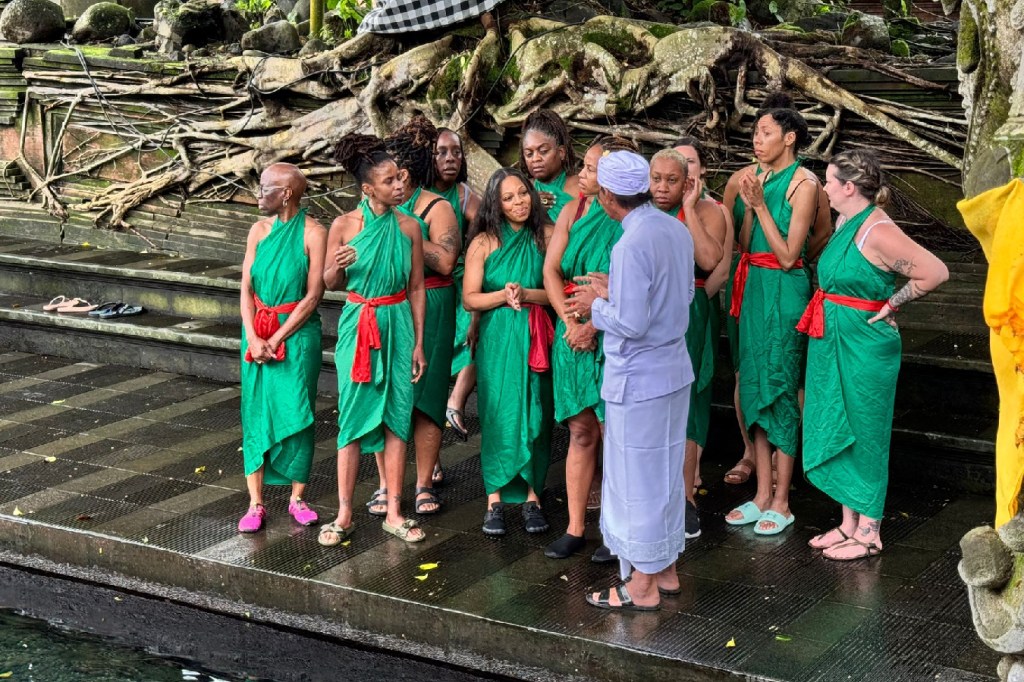
So, you’re planning a trip to Bali and looking forward to visiting its breathtaking temples. Good call. But before you step into these sacred places, let’s talk about something that can make or break your temple experience—the Bali temple dress code and etiquette. Trust me, the last thing you want is to be turned away at the entrance or, worse, unintentionally offend the locals.
Balinese temples aren’t just tourist attractions—they’re living places of worship. And because of that, there are strict yet simple rules you need to follow when it comes to what you wear and how you behave. Don’t stress, though. I’ve been there, made mistakes, and learned a thing or two. Let’s break it all down so you don’t have to figure it out the hard way.
What to Wear to a Bali Temple (And What NOT to Wear!)
Alright, first things first—what’s the dress code? The basic rule is: modest and respectful. No, that doesn’t mean you have to be covered from head to toe like you’re in a monastery, but it does mean no tank tops, short shorts, or bikinis (yes, I’ve actually seen people try to enter in a swimsuit. Facepalm moment).
Read also: Beginner Surf Spots in Bali
Here’s the breakdown of what you should wear:
- Sarong (kain kamen) – This is a must. Both men and women have to wear one. It’s basically a long piece of fabric you wrap around your waist like a skirt. Don’t have one? No worries—most temples rent them out at the entrance for a small fee.
- Sash (selendang) – This goes around your waist, tied over the sarong. It’s another non-negotiable.
- Covered shoulders – Ladies, pack a lightweight shawl or wear a T-shirt instead of a spaghetti strap top. Gents, a simple T-shirt is perfect.
- Longer bottoms – If you’re already wearing a long skirt or loose pants, you’re good. Otherwise, you’ll still need that sarong.
What NOT to wear:
- Anything too tight, revealing, or see-through.
- Swimwear (yes, this includes that cute cover-up you thought was “modest enough”).
- Shorts or miniskirts—these won’t cut it unless you wrap a sarong over them.
- Ripped jeans (some temples allow them, but why risk it?).
Oh, and if you’re on your period, tradition says you’re not supposed to enter. Yep, I know it sounds old-school, but Balinese Hindu customs consider menstruation impure. Do with that info what you will, but if you choose to respect the rule, it’s best to plan accordingly.
Bali Temple Etiquette: Don’t Be That Tourist
Now that you’re dressed properly, let’s talk about how to behave inside the temple. A lot of it is just common sense, but you’d be surprised how many tourists completely ignore these rules.
No PDA, Please!
Holding hands, hugging, or (yikes) kissing in a temple? Big no-no. Even if you’re on your honeymoon, keep the affection for later. Balinese culture is conservative when it comes to public displays of affection, especially in a religious setting.
Keep Your Head Lower Than the Priest
This one’s easy to forget but super important. If a Balinese priest (pemangku) is performing a ceremony, you should never stand or walk higher than them. If they’re sitting, you sit. If they’re standing, you keep a respectful distance.
Walk Around Shrines the Right Way
Ever noticed people walking clockwise around temple shrines? That’s intentional. In Balinese Hinduism, it’s believed to bring good energy. Walking counterclockwise? Not so much. Just follow the crowd if you’re unsure.
Watch Your Step (Literally)
Those little offerings (canang sari) you’ll see on the ground? Don’t step on them! These colorful flower baskets with incense are offerings to the gods, and accidentally kicking one is considered disrespectful.
Stay Quiet and Respect the Rituals
If a prayer session is happening, don’t just barge in with your phone out recording. Some temples allow visitors to watch ceremonies, but be discreet, keep your volume down, and—this should go without saying—don’t interrupt.
The Best Temples to Visit in Bali (And Their Dress Code Rules)
Not all temples in Bali have the exact same rules, but the dress code is pretty standard across the board. Here’s a quick guide to some of the most famous temples and what you need to know before you go:
Uluwatu Temple
One of the most stunning cliffside temples. They’re strict about sarongs and sashes, but they provide them for free with your entrance ticket. Beware of the monkeys—they’re little thieves who love stealing sunglasses, hats, and even phones.
Tanah Lot Temple
This one’s surrounded by water, so if you want to walk across to the temple at low tide, wear something easy to move in. The dress code applies only if you’re entering the inner temple—otherwise, casual attire is fine.
Besakih Temple (Mother Temple)
The holiest temple in Bali, and also the strictest. If you visit, be extra respectful—don’t enter shrines where locals are praying, and avoid using flash photography.
Tirta Empul (Water Temple)
If you’re doing the purification ritual in the holy springs, bring a change of clothes! You’ll need a sarong for the temple itself and a special rental sarong for the water. Also, don’t splash or play around—this is a sacred experience, not a swimming pool.
Renting or Buying a Sarong in Bali
If you’re visiting multiple temples, you might want to just buy your own sarong instead of renting one every time. You can find cheap sarongs for $3–5 at local markets, but if you want a nicer one, expect to pay $10–20.
Haggle at the markets! It’s expected, and you’ll almost always get a better deal.
If you don’t want to buy one, most major temples offer free sarong rentals with your ticket. But smaller ones may charge a small rental fee (around $1–2).
How to Nail the Bali Temple Dress Code & Etiquette
- Always wear a sarong and sash. No exceptions.
- Cover your shoulders and avoid tight or revealing clothing.
- No public displays of affection.
- Respect ongoing ceremonies—don’t interrupt or take intrusive photos.
- Walk clockwise around shrines and avoid stepping on offerings.
- Keep your head lower than priests.
- Check if the temple provides sarongs or if you need to rent one.
- Be mindful of temple-specific rules (especially at Besakih and Tirta Empul).
Stick to these, and you’re golden. You’ll not only avoid embarrassing temple mishaps but also show respect for Bali’s deeply spiritual culture. Plus, you’ll actually enjoy your temple visits instead of stressing over whether you’re following the rules.
Now, go explore some temples like the respectful traveler you are—without getting side-eyed by the locals!
What Happens If You Don’t Follow the Bali Temple Dress Code?
Look, I get it. Sometimes you’re in full vacation mode, and the last thing on your mind is whether your outfit meets religious standards. But Bali isn’t the kind of place where you can just wing it when it comes to temple etiquette. If you show up wearing something inappropriate, here’s what might happen:
You’ll Be Denied Entry
Simple as that. If your outfit doesn’t meet the temple’s dress code, you won’t be allowed inside. No arguing, no exceptions. You’ll either have to rent or buy a sarong, or turn around and find something else to do.
You’ll Get The Look
Balinese people are incredibly welcoming, but they also take their traditions seriously. If you walk into a temple dressed like you just came from the beach, expect some judgmental glances—especially from the locals. It’s not about being rude; it’s about respecting their culture.
You Might Offend Locals Without Realizing It
Even if no one says anything to you, disrespecting temple dress codes can be deeply offensive to Balinese Hindus. Imagine someone walking into your church, mosque, or temple wearing a bikini. Feels weird, right? Same thing here.
You’ll Stand Out for the Wrong Reasons
No one wants to be that tourist. The one who gets stared at, whispered about, or—worst case—asked to leave. Wearing the right attire isn’t just about following rules; it’s about blending in and showing that you care about the culture you’re visiting.
What If You Forget a Sarong? Here’s What to Do
Maybe you’re on a spontaneous adventure and didn’t think to pack a sarong. No big deal—most temples have you covered (literally). Here’s what to do:
Check for Free Rentals at the Temple Entrance
Major temples like Uluwatu and Besakih provide free sarongs and sashes with your entrance ticket. Just grab one, wrap it around, and you’re good to go.
Rent One for Cheap
Smaller temples often charge a small rental fee (usually 10,000–25,000 IDR, or about $1–2 USD). It’s not a scam—this is just how they maintain the temple and provide visitors with the proper attire.
Buy a Sarong from a Local Vendor
If you’re visiting multiple temples, it might be worth buying your own sarong instead of renting one every time. Markets and street vendors sell them for 50,000–150,000 IDR ($3–10 USD) depending on the material and quality. Just make sure to haggle a little—it’s expected!
Can Men Wear Shorts to a Bali Temple?
Short answer? Nope. At least not on their own.
Even if your shorts reach your knees, you’ll still need to wrap a sarong over them. Temples require both men and women to cover their legs completely.
That said, if you’re already wearing lightweight linen pants or a long skirt, you might be able to skip the sarong at some temples. But honestly? It’s best to always carry one just in case.
Is It Rude to Refuse Wearing a Sarong?
If a temple asks you to wear a sarong, just do it. There’s no way around it.
Refusing to wear one isn’t just disrespectful—it makes you look ignorant and entitled. Think of it like taking off your shoes before entering someone’s house. It’s just basic respect.
If you really don’t want to wear a sarong, maybe skip the temple visit altogether and explore Bali’s natural attractions instead.
The One Thing No One Tells You About Temple Visits in Bali
Alright, here’s something most travel blogs won’t mention—temple visits aren’t always this peaceful, zen-like experience you see in photos.
Some Temples Are Crowded & Touristy
Places like Uluwatu and Tanah Lot? Packed. Especially around sunset. If you’re hoping for a quiet, spiritual moment, you might be better off visiting lesser-known temples like Gunung Kawi or Pura Lempuyang early in the morning.
Scams Exist (But They’re Easy to Avoid)
At some temples, you’ll meet people claiming you must hire a guide or must make a donation before entering. That’s not true. Legitimate donations are optional, and official temples never force you to hire a guide. If someone pressures you, just politely say no and move on.
Monkeys Are Out to Get You
Uluwatu Temple is famous for its stunning views—and its sneaky monkeys. These little guys aren’t shy about snatching sunglasses, hats, and even phones. If you visit a temple with monkeys, keep your stuff zipped up and don’t make eye contact (seriously, they see it as a challenge).
Best Time to Visit Bali Temples for a Peaceful Experience
Want to avoid the tourist crowds and actually enjoy the temple atmosphere? Timing is everything.
Visit Early in the Morning
Most temples open around 6–7 AM, and this is the absolute best time to go. Not only do you get a peaceful, crowd-free experience, but the morning light also makes for some killer photos.
Avoid Sunset (Unless You Love Crowds)
Uluwatu and Tanah Lot are sunset hotspots, which means they’re packed with tourists at golden hour. The views are spectacular, but if you’re not a fan of crowds, consider visiting in the late afternoon instead.
Go on a Weekday
Bali temples are busiest on weekends and religious holidays. If you can, plan your visit for a Monday–Thursday to avoid the biggest crowds.
Final Bali Temple Tips for First-Time Visitors
Before you go, here are a few random but important things to keep in mind:
- Bring cash – Some temples charge a small entrance fee, and most don’t accept credit cards.
- Wear comfortable shoes – Some temples require a lot of walking (Besakih, I’m looking at you). Sandals are fine, but avoid anything flimsy.
- Stay hydrated – Bali is hot, and temple visits can take hours. Bring a water bottle, but don’t drink inside the temple—it’s considered rude.
- Respect temple photography rules – Some places allow photos, others don’t. Always check before snapping away.
Follow these tips, and you’ll have a smooth, respectful, and unforgettable temple experience. And hey, if you mess up a little—don’t sweat it. As long as you’re trying to be respectful, the locals will appreciate it.
Now go explore some temples, dress appropriately, and enjoy the magic of Bali!
 Bali Tour
Leave a comment