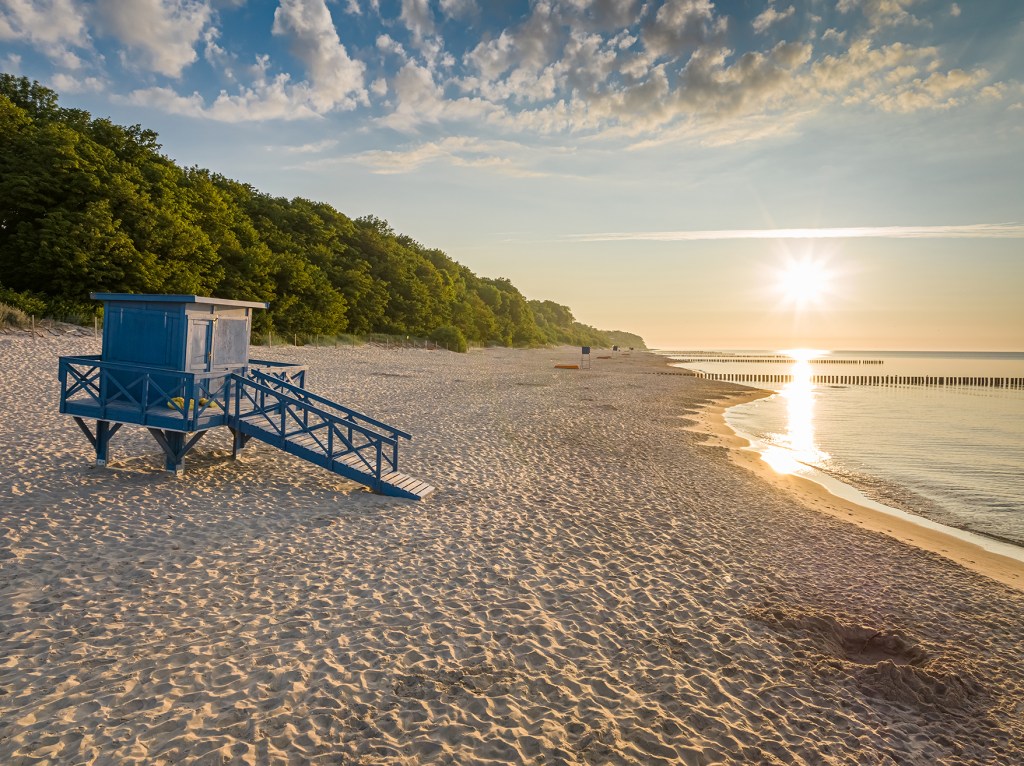
Bali is straight-up legendary for surfing, but if you’re just starting out, not every break is gonna be your friend. The island is packed with powerful reef breaks that’ll chew you up and spit you out if you don’t know what you’re doing. But don’t stress—there are plenty of mellow spots where beginners can get their feet wet (literally) without getting worked by the waves. After years of watching newbies flail and figuring out which beaches are actually beginner-friendly, I’ve got a solid list of the best beginner surf spots in Bali. Whether you’re looking for a relaxed first session or trying to get to that next level, these spots will get you started without too much carnage.
Kuta Beach – The Classic Beginner Spot (Because Duh, It’s Kuta)
Kuta Beach is the go-to for learning to surf in Bali. It’s got sandy-bottom waves (so no sharp reefs waiting to slice your feet open), tons of surf schools, and a lineup filled with fellow beginners, which means you won’t feel like a total kook. The waves here are typically small to medium-sized, breaking gently in warm, waist-deep water. If you wipe out—which you will, and that’s okay—you’re not landing on anything that’ll hurt you.
Best part? There are surf instructors everywhere. Whether you book a lesson in advance or just rock up and rent a board from a local beach shack, you’ll find someone to show you the ropes. Prices are super reasonable—expect to pay around 150,000–250,000 IDR ($10–$15 USD) for a lesson with board rental included. And if you’re trying to keep it budget-friendly, just rent a board for 50,000 IDR ($3 USD) and give it a shot yourself.
Stick to early mornings or late afternoons to avoid the crazy crowds. And keep an eye out for your stuff—Kuta is awesome, but petty theft is a thing, especially if you leave your phone chilling on the sand.
Legian Beach – Like Kuta, But Less Chaotic
Legian Beach is basically Kuta’s chill cousin. It’s just a little further north, meaning the same soft, sandy bottom and friendly waves, but way fewer people. If you want a beginner-friendly spot without the constant party vibe of Kuta, this is it.
The waves here are a little softer than Kuta’s, making them ideal for learning to pop up and ride without feeling rushed. Plus, surfboard rentals and lessons are easy to find, with similar prices to Kuta. If you’re struggling with paddling (because let’s be real, paddling sucks when you’re new), this is a great place to practice since the currents aren’t as strong as other spots.
If you’re not feeling confident, take a lesson. The local instructors here tend to be a little more patient than the ones in Kuta, where things can feel more rushed.
Canggu (Batu Bolong Beach) – Where Beginners & Hipsters Collide
Canggu is where you’ll find Bali’s digital nomads, smoothie bowl enthusiasts, and longboarders looking effortlessly cool. If you’re after gentle, rolling waves that make learning fun (instead of terrifying), Batu Bolong Beach in Canggu is a solid choice.
The waves here break slow and steady, which is perfect for beginners—especially if you’re into longboarding. Shortboards? Not so much. The crowd here is mixed, with beginners, intermediate surfers, and old-timers who’ve been gliding on these waves for decades.
The downside? Crowds. Batu Bolong is packed, especially during sunset sessions. But if you don’t mind sharing waves and dodging a few rogue surfboards, it’s an amazing place to learn. Board rentals and lessons are easy to find, and the vibe is super laid-back.
If you’re brand new to surfing, start at the inside section where the waves are smaller. Once you’re feeling more confident, paddle further out to catch the bigger sets.
Jimbaran Bay – The Super Chill Option
If you want zero stress and maximum chill, Jimbaran Bay is where it’s at. The waves here are small and friendly, which makes it an amazing place for kids, total beginners, or anyone who just wants to paddle around without wiping out. The beach itself is stunning, with soft sand and calm water—perfect if you’re still figuring out how to balance on your board without face-planting every five seconds.
Unlike the more famous surf beaches, Jimbaran Bay doesn’t have massive crowds of surfers. It’s more of a local hangout, known for its seafood restaurants and sunset views. That means it’s not a hardcore surf destination, but it’s a fantastic place to practice without pressure.
This is one of the best places for absolute first-timers. If you’ve never touched a surfboard in your life, this is the perfect training ground before moving on to Kuta or Canggu.
Padang Padang (Baby Padang) – For When You’re Almost Ready for Bigger Waves
Padang Padang is famous for its heavy, barreling reef break (which, by the way, you should 100% avoid as a beginner unless you enjoy getting worked). But Baby Padang, a smaller section of the beach, is perfect for beginners who want to level up.
The waves here are still gentle enough to be beginner-friendly, but they’ve got a bit more punch compared to places like Kuta or Jimbaran. It’s a great place to transition from foam boards to real surfboards and start working on turning and controlling your ride.
Local Tip: The best time to surf here is mid to high tide. At low tide, the reef gets a little too close for comfort. And trust me, hitting reef hurts.
What to Know Before You Go Surfing in Bali
Before you paddle out like you’re about to star in a surf movie, keep these things in mind:
- Renting a Board: If you’re not traveling with your own board, rentals cost about 50,000–100,000 IDR ($3–$6 USD) per hour. Some places will cut you a deal for half-day or full-day rentals.
- Tide Matters: Some spots (like Baby Padang) need the right tide to be beginner-friendly. Check Surfline or Magicseaweed for tide reports before heading out.
- Watch for Rip Currents: Even beginner beaches have currents that can pull you out. If you ever feel like you’re getting dragged, don’t panic—just paddle parallel to the shore until you’re out of it.
- Reef vs. Sand: Stick to sand-bottom beaches (like Kuta, Legian, and Jimbaran) when you’re just starting out. Reef breaks can be brutal if you’re not experienced.
- Sunscreen is Non-Negotiable: The Bali sun is unforgiving, and sunburned shoulders make paddling miserable. Use reef-safe sunscreen, ideally SPF 50+, and reapply every couple of hours.
The Verdict: Where Should You Start?
If you’re brand new, start at Kuta Beach or Jimbaran Bay—super forgiving waves, soft sand, and lots of instructors to help you out. If you’re already catching waves and want to improve, Batu Bolong or Baby Padang are the move. And if you just want to surf without dealing with a million people, hit up Legian Beach instead of Kuta.
Bali’s got something for every level, and once you get a taste of those warm, rolling waves, you’re gonna be hooked. Just don’t forget to have fun—because at the end of the day, that’s what it’s all about.
Leveling Up: What’s Next After Bali’s Beginner Spots?
So you’ve caught your first waves, stood up a few times (even if it was just for half a second), and now you’re thinking, What’s next? Bali is packed with surf spots for all levels, so once you’re comfortable at places like Kuta, Legian, and Batu Bolong, it’s time to challenge yourself a little. But don’t go charging Uluwatu just yet—there’s a sweet middle ground before hitting those heavy reef breaks.
- Dreamland Beach – The Next Step After Kuta
If you’ve been surfing Kuta for a while and want a bit more power in the waves, Dreamland Beach is a great next step. Located on the Bukit Peninsula, this beach still has a sandy bottom, but the waves are a bit bigger and punchier. On smaller days, it’s still beginner-friendly, but when the swell picks up, it becomes more of an intermediate wave.
It’s less crowded than Kuta and Canggu, which means fewer people dropping in on you. Plus, the water here is ridiculously clear, and the whole beach just feels like a postcard.
Local Tip: Be mindful of the tides—high tide is better for beginners, while low tide can make the waves dump a little harder.
- Medewi – The Lazy River of Surf Breaks
If you’re starting to get comfortable with turning and trimming along a wave, Medewi is your spot. It’s home to one of the longest left-hand waves in Bali, meaning you get plenty of time to practice without constantly paddling back out.
The wave here is so mellow—it’s like a longboarder’s dream. It’s a mix of reef and rocks, but it’s not nearly as gnarly as Uluwatu or Padang Padang. This place is perfect for beginner-to-intermediate surfers who want to practice linking turns without worrying about steep drop-ins.
Local Tip: Medewi is a bit of a drive from the main tourist areas (about 2.5 hours from Canggu), but it’s worth it for a quiet, relaxed surf session.
- Balangan – If You’re Feeling Adventurous
Alright, so Balangan is a little more advanced than the other spots on this list, but on a small day, it’s actually a really fun, mellow wave. The lineup is usually more experienced surfers, so it’s good to observe and learn surf etiquette here.
The takeoff can be a little tricky because of the reef, but once you’re on the wave, it’s a beautiful, long ride. If you’ve been catching green waves at Batu Bolong and want to push yourself, this could be a fun challenge.
Local Tip: Go at mid to high tide—low tide exposes the reef, and you don’t want to be scraping your knees on that.
Common Beginner Mistakes (And How to Avoid ‘Em)
Look, every surfer has gone through the awkward beginner phase. Wiping out, getting in people’s way, paddling for a wave you had no business chasing—it’s all part of learning. But here are a few things that’ll make your surf progression smoother:
- Paddling Like a Champ: Most beginners don’t paddle enough. You’ve gotta commit—strong, consistent strokes until you feel the wave picking you up. If you hesitate, you’ll miss the wave or nose-dive.
- Picking the Right Waves: Not every wave is worth paddling for. If it looks too steep or is closing out (breaking all at once), skip it and wait for a better one.
- Learning to Turtle Roll: If you’re on a bigger board, learn how to turtle roll under waves instead of just getting smashed by them. Trust me, your arms will thank you.
- Not Snaking or Dropping In: One of the quickest ways to annoy locals is by dropping in on someone’s wave (aka taking off when they already have priority). Always look before you go.
Should You Take a Surf Lesson or Just Wing It?
If you’re an absolute beginner, take a lesson. It’s way easier to learn the right techniques from day one rather than developing bad habits that’ll take forever to fix. Most beginner spots in Bali have plenty of instructors, and the cost is super reasonable.
If you’ve already got the basics down and just need practice, renting a board and figuring things out on your own is totally fine. Just be prepared to paddle a lot, get frustrated sometimes, and maybe take a few unexpected wipeouts. It’s all part of the fun.
Local Tip: If you’re serious about improving, book a surf camp or a multi-day lesson package. There are tons of options in Canggu, Kuta, and even further north in places like Balian and Medewi.
Don’t Overthink It—Just Have Fun
Learning to surf can be frustrating—some days, you’ll feel like you’re making progress, and others, you’ll get worked by every wave. That’s totally normal. The key is to just keep getting in the water.
Bali is one of the best places on Earth to learn how to surf, with warm water, beginner-friendly waves, and an unreal vibe. Whether you’re starting at Kuta, chilling at Batu Bolong, or pushing yourself at Medewi, you’re gonna have a blast. Just remember—paddle hard, don’t drop in on locals, and most importantly, enjoy the ride.
 Bali Tour
Leave a comment